
 By
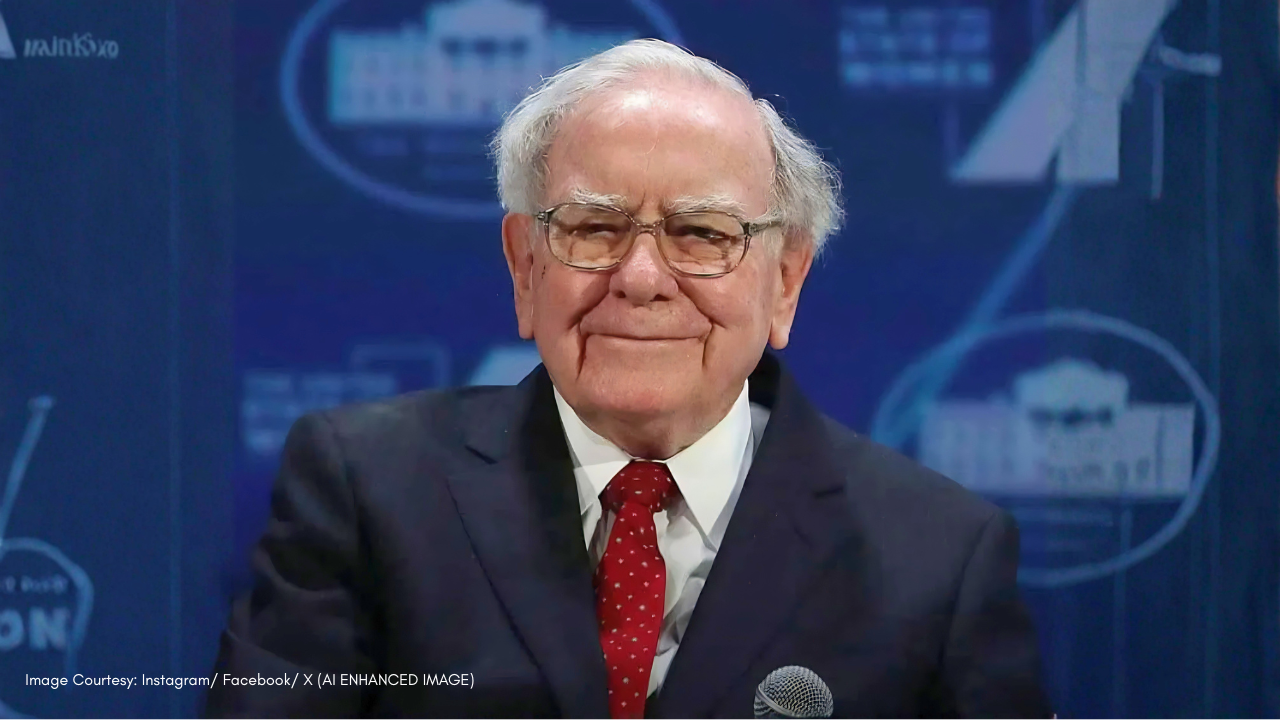
By Warren Buffett just made one of the most surprising portfolio moves of his career. Berkshire Hathaway has unloaded approximately 77% of its Amazon stake — and quietly opened a brand-new position in a digital media company that Buffett has read for decades.
The moves, revealed in Berkshire’s most recent 13-F filing, signal a significant strategic shift at the conglomerate — even as Buffett transitions from CEO to chairman of the board.
Berkshire Sells Off Amazon — Here’s How Much
According to Berkshire Hathaway’s most recent 13-F filing, the conglomerate sold more than 7 million Amazon shares, worth approximately $1.8 billion.
That represents roughly 77% of Berkshire’s total Amazon position — a dramatic reduction by any measure. The sale places Amazon squarely among the handful of major Berkshire holdings to be significantly cut in recent years.
The timing is notable. The sale occurred shortly before Warren Buffett formally stepped down as Berkshire’s CEO, though he remains chairman of the board. The portfolio moves, therefore, represent some of the last major decisions made under his direct leadership.
Why Warren Buffett Bought Amazon in the First Place
The investing world was stunned in 2019 when Warren Buffett bought shares of Amazon as part of the Berkshire Hathaway portfolio. The notoriously tech-averse billionaire’s only other long-term tech holding at the time was Apple.
Buffett’s Amazon entry was seen as a watershed moment — proof that even the most traditional value investor could pivot toward the technology sector. The position was widely seen as an acknowledgment of Amazon’s dominance in cloud computing, e-commerce, and logistics infrastructure.
For years, the stake delivered strong returns. But Berkshire’s decision to trim the position by 77% now raises the question: does the Buffett camp believe Amazon’s best growth years are behind it, or is this simply a portfolio rebalancing?
No official explanation has been provided. But Berkshire’s next move speaks volumes.
The Surprising New Buy: The New York Times Company
Rather than rotating into another technology stock, Berkshire scooped up more than 5 million shares of The New York Times Company at an average price of $61.09 per share. With shares currently trading at around $78, it has already proven to be a solid early investment.
The purchase has raised eyebrows across Wall Street. The New York Times is not a typical Berkshire pick — it is neither a bank, an insurer, nor a consumer staples giant. But for Warren Buffett, there is a deeply personal connection to the buy.
Buffett has spoken publicly about his voracious reading habits, saying he reads five to six hours a day and reads five daily newspapers — including The Wall Street Journal, The Financial Times, USA Today, The Omaha World-Herald, and The New York Times.
The purchase reads as both a financial bet and a conviction play — the kind of investment rooted in firsthand, decades-long familiarity with a brand.
Why The New York Times Is a Digital Media Powerhouse
Buffett’s bet on The New York Times Company is not a newspaper nostalgia play. The numbers make a strong case for a modern digital media business.
In its most recent quarter, The New York Times Company reported 12.78 million subscribers, of which 12.21 million were digital-only. The company’s entire print subscriber base — including those with combined print and digital subscriptions — stood at just 570,000.
To put that in perspective, the company is adding nearly as many digital subscribers in a single quarter as it has total print readers. Net digital-only subscriber additions during the quarter reached 450,000.
Revenue growth is equally striking. Digital advertising revenue jumped 24.9% year over year to $147.2 million. Nearly half of the company’s $802.3 million in quarterly revenue — 47.5% — now comes from digital-only subscriptions.
Add digital advertising to digital subscriptions, and roughly two-thirds of The New York Times Company’s total revenue now flows from purely digital sources. That is a transformation most legacy media companies have failed to achieve at this scale.
The Berkshire Hathaway position in The New York Times Company reflects confidence in that ongoing digital shift — and in the brand’s ability to sustain subscriber loyalty in a fragmented media landscape.
What This Tells Us About Buffett’s Investment Strategy
Warren Buffett has always invested in businesses he understands. Apple made sense because it had become a consumer staples company — people did not give up their iPhones the way they gave up other gadgets. Amazon made sense as a commerce and infrastructure juggernaut.
The New York Times Company fits the same mold. It is a recognizable brand, a dominant player in its niche, and now a demonstrably profitable digital business.
The reduction of the Amazon stake, meanwhile, fits a broader pattern at Berkshire Hathaway. The conglomerate has reduced or exited several large equity positions over the past two years, including notable trimming of its Apple holdings. Analysts have interpreted this as a combination of valuation concerns, tax planning, and a more cautious overall market outlook.
Berkshire Hathaway’s cash reserves have swelled as a result of these exits. As of its last reported quarter, the conglomerate held a record level of cash — giving it firepower for future acquisitions or opportunistic buys during market downturns.
The New York Times buy, while smaller than Berkshire’s typical elephant-sized acquisitions, signals where at least some of that capital is being deployed: in high-quality businesses with durable competitive advantages, even in industries undergoing structural change.
What Investors Should Watch Next
The next Berkshire Hathaway 13-F filing will be closely watched. Investors want to know whether the New York Times position is being expanded, and whether further Amazon shares have been sold.
Berkshire Hathaway remains one of the most scrutinized portfolios on Wall Street. Every quarterly disclosure triggers a wave of analysis, and this round is no different. The Amazon exit and The New York Times entry will be debated by investors and analysts for months.
For retail investors, the takeaway is clear: even one of the world’s greatest investors is continuing to adapt his strategy to a changing business landscape. The shift from a pure e-commerce giant to a digital subscription media brand says something about where Warren Buffett sees durable value in the current environment.
Whether or not investors follow him into The New York Times Company, the underlying lesson is vintage Buffett — buy businesses you understand, that have loyal customers, and that are built to last.
Stay current with the latest Berkshire Hathaway portfolio moves and Warren Buffett investment updates — bookmark this page and check back for our ongoing coverage.
Hashtags: #WarrenBuffett #BerkshireHathaway #Investing #StockMarket #NewYorkTimes