 By
By The Met Gala is widely known as fashion’s biggest night — but behind the glamour and the cameras, it operates more like a tightly run military operation. Every guest, no matter how famous, must follow a strict set of rules that govern everything from what phone they can carry to where they sit at dinner.
These rules are not suggestions. They are enforced, and breaking them — even by accident — can have real consequences for an attendee’s relationship with the fashion world’s most powerful figures.
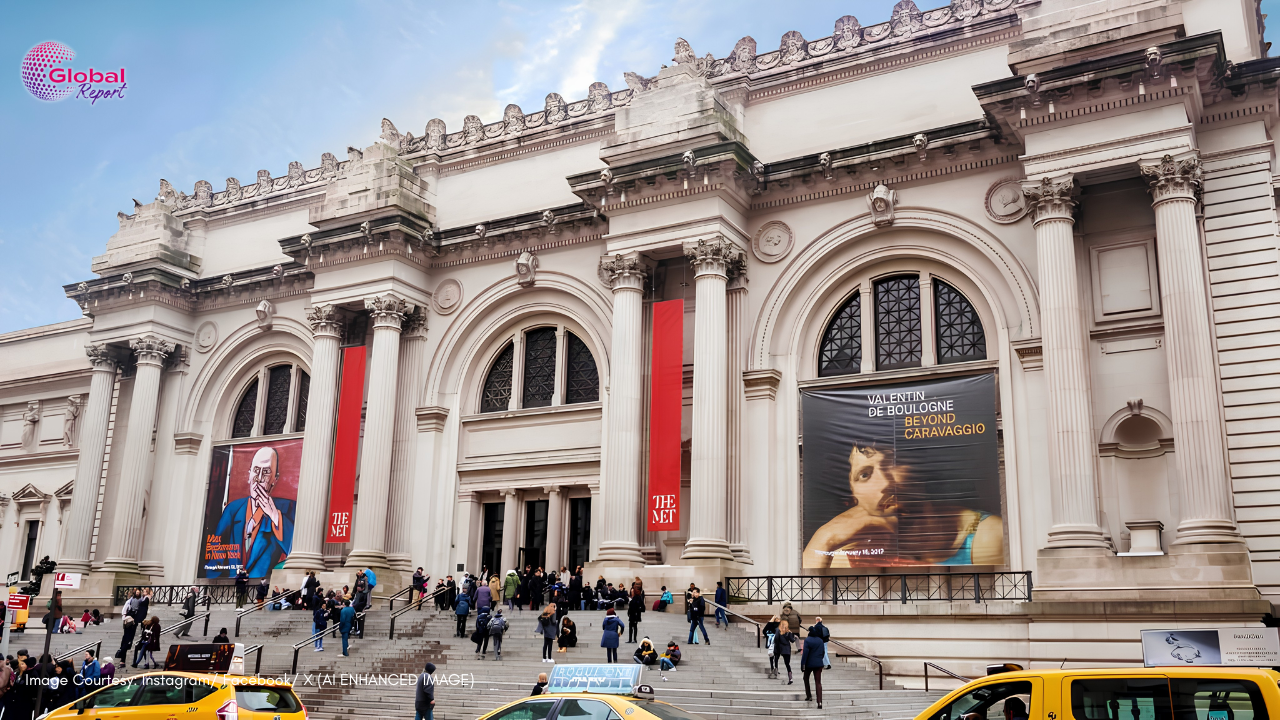
The Met Gala — formally called the Costume Institute Benefit — is an annual fundraising event held at The Metropolitan Museum of Art in New York City. It serves as the opening gala for the Costume Institute’s annual fashion exhibit and has been hosted every year since 1948.
The event raises millions of dollars for the museum’s fashion archive and exhibition programming. Over the decades, it evolved from a modest fundraiser into the world’s most high-profile fashion event, drawing A-list celebrities, top designers, musicians, athletes, and politicians every first Monday of May.
Vogue editor-in-chief Anna Wintour has chaired the event since 1995, and under her leadership it transformed into what it is today: a carefully curated spectacle where access, appearance, and influence all intersect.
Quick Facts: Met Gala by the Numbers
- 📅 First held: 1948
- 🏛️ Location: The Metropolitan Museum of Art, New York City
- 💰 Ticket price: Reportedly tens of thousands of dollars per seat
- 🪑 Table cost: Can run into the hundreds of thousands of dollars
- 📸 Phone policy: Banned inside the dinner — strictly enforced
- 🎨 2026 Theme: “Costume Art” | Dress Code: “Fashion Is Art”
- 👑 Gatekeeper: Anna Wintour controls the final guest list
Rule 1: No Phones at Dinner — Zero Exceptions
One of the most talked-about rules at the Met Gala is the strict no-phone policy during the dinner portion of the evening. Once guests pass through the doors of the Metropolitan Museum, personal devices are expected to stay out of sight.
The policy exists to protect the exclusivity and privacy of the event. Organizers want conversations to remain confidential, looks to be revealed on their own terms, and the evening to feel separate from social media’s constant churn. No selfies, no Instagram Stories, no behind-the-scenes leaks are permitted during the formal dinner.
That said, a handful of guests have bent the rule over the years. Bathroom selfies have occasionally gone viral — but technically, every one of those posts represents a violation of the event’s code. The risk? Damaging a carefully managed relationship with a fashion house or, worse, losing a future invitation entirely.
Rule 2: The Seating Chart Is Controlled by Experts
The Met Gala seating chart is meticulously planned months in advance, with organizers aiming to spark conversation between guests who would not normally cross paths. Guests do not get to choose their seats, and being placed next to a close friend or partner is far from guaranteed.
According to expert planner Eaddy Kiernan, who spoke to Vogue, planning begins as early as December — starting with a seating document once names begin to come together. The final chart may not lock in until a month before the event, but the groundwork starts almost half a year out.
One guiding principle shapes the entire process. Organizers make it a priority to ensure that no guest ends up staring across the table at a former romantic partner. In an environment filled with high-profile relationships and very public breakups, that kind of foresight is not just thoughtful — it’s a logistical necessity.
Rule 3: You Cannot Buy Your Way In
This is perhaps the most misunderstood aspect of the Met Gala. Many assume that a large enough cheque guarantees a seat. That is not how it works.
While individual tickets reportedly cost tens of thousands of dollars and full tables can reach into the hundreds of thousands, the guest list is ultimately controlled by Anna Wintour, who has final approval over every attendee. Money alone does not open the door.
Major fashion houses and brands typically purchase tables, then fill those seats with celebrities who align with their brand identity. This means most attendees arrive as guests of a designer label — not as independent ticket buyers. The structure reinforces the event’s core purpose: it is a fashion industry event first, a celebrity gathering second.
Rule 4: The Theme Is Mandatory — Not a Suggestion
Every year, the Met Gala is built around a specific exhibition theme, and guests are expected to dress accordingly. Ignoring the theme is not an option — at least not if you want to avoid public criticism and a chilly reception from the fashion world.
For the Met Gala 2026, the theme is “Costume Art,” with a dress code of “Fashion Is Art,” pushing attendees to treat their outfits as genuine artistic statements rather than standard red carpet choices.
Andrew Bolton, head curator of the museum’s Costume Institute, described the concept to Vogue by explaining that fashion connects every curatorial department and every gallery in the museum. The intention is to position the dressed body as central to all artistic expression — not a footnote to it.
Preparing a look that honors the theme is a months-long process. Custom designs, multiple fittings, and collaboration with top creative teams are common. Celebrities who nail the assignment dominate the best-dressed conversation. Those who miss it face immediate public scrutiny online.
Rule 5: Anna Wintour Has Final Say on Everything
Anna Wintour does not just chair the Met Gala — she controls it. Her influence extends from the guest list and the seating arrangements to the event’s broader creative direction.
Wintour has held her position as Vogue editor-in-chief since 1988 and has chaired the Met Gala since 1995. In that time, she reshaped the event from an industry benefit into a global cultural moment. Her approval is the single most important factor in determining who attends.
This gives the event a different character from most celebrity gatherings. There is no open invitation, no PR campaign that guarantees access, and no amount of fame that automatically earns a spot. Wintour’s editorial vision for what the gala represents shapes every decision made around it.
Rule 6: Couples and Friends Are Often Separated
Attending the Met Gala with a partner or close friend does not mean sitting beside them at dinner. The seating strategy prioritizes interesting cross-industry pairings over personal comfort.
This rule catches many guests off guard. A-list couples frequently find themselves seated at different tables or on opposite sides of the room. The reasoning is straightforward: the dinner serves as a networking and cultural exchange event, and organizers want to generate real conversation, not allow cliques to form around existing social circles.
For many celebrities, this is one of the more surprising aspects of the experience. The red carpet is a moment of personal expression. The dinner is something else entirely — a structured, curated event where every detail, including who you talk to, serves a larger purpose.
Rule 7: The Night Is About Fundraising, Not Partying
The red carpet spectacle can create the impression that the Met Gala is an extravagant celebrity party. The reality is more formal and more restrained.
The actual gala is a sit-down dinner where guests tour the new Costume Institute exhibition, mingle with other attendees, and enjoy curated performances — all in service of raising funds for the museum’s fashion archive. It is not a late-night event, and the atmosphere inside the museum is considerably more subdued than what the photos suggest.
The fundraising mission is not incidental. The Costume Institute operates as one of the few self-funded departments within the Metropolitan Museum of Art, and the annual gala is its primary source of revenue. Every ticket sold, every table purchased, and every sponsorship secured goes directly toward maintaining and expanding one of the world’s most significant fashion archives.
What These Rules Mean for the Fashion Industry
The strict rules governing the Met Gala are not arbitrary. They reflect the event’s position at the intersection of fashion, influence, and institutional prestige.
By controlling access, the gala maintains its exclusivity — and therefore its cultural value. By enforcing the no-phone policy, it preserves a sense of mystery that keeps public interest high year after year. By requiring thematic adherence, it reinforces the idea that fashion is a serious art form deserving curatorial rigor.
For designers, a table at the Met Gala is one of the most powerful brand investments available. The visibility earned from a single night — a single photograph of a celebrity in a custom look on those steps — can define a collection and drive months of media coverage.
For celebrities, the invitation carries weight beyond any award or box office number. Being on the Met Gala guest list signals a specific level of cultural relevance that few other events can confer.
Frequently Asked Questions
Q: What are the most strictly enforced Met Gala rules? A: The no-phone policy during dinner and mandatory theme compliance are the most consistently enforced rules. Guests who violate the phone ban risk damaging relationships with fashion houses and losing future invitations. Missing the dress code theme draws immediate public criticism.
Q: How does Anna Wintour decide who gets invited to the Met Gala? A: Anna Wintour holds final approval over the entire guest list. Fashion houses purchase tables and propose celebrity guests, but Wintour retains the authority to accept or decline any name. Access is based on cultural relevance, brand alignment, and editorial judgment — not fame or wealth alone.
Q: Can anyone buy a ticket to the Met Gala? A: No. While individual tickets and full tables are purchased by fashion brands and corporations, the guest list is not open to the public. Even wealthy individuals cannot simply purchase their way in. An invitation requires the approval of Anna Wintour and typically comes through a fashion house affiliation.
Q: What is the Met Gala 2026 theme? A: The Met Gala 2026 theme is “Costume Art,” with a dress code of “Fashion Is Art.” Guests are expected to approach their outfits as genuine artistic expressions rather than conventional red carpet looks, in keeping with the museum’s Costume Institute exhibition.
Q: Why are phones banned at the Met Gala? A: The no-phone policy during dinner is designed to protect the privacy and exclusivity of the event. Organizers want conversations to remain confidential and the evening to stay insulated from real-time social media coverage. The policy also ensures that official photographers and Vogue control how the event is visually documented.
The Met Gala is far more than a red carpet moment. Behind every stunning look and viral photograph sits a web of strict rules, strategic decisions, and carefully managed access that makes the event function as one of fashion’s most powerful institutions. From Anna Wintour’s absolute authority over the guest list to the enforced no-phone policy and mandatory theme compliance, every detail is controlled with precision.
As the Met Gala 2026 prepares to unfold under the “Costume Art” theme, these rules remain as firm as ever — and understanding them adds a whole new dimension to watching fashion’s biggest night play out.
Follow the latest Met Gala 2026 coverage on Global Report Online for real-time updates, best-dressed breakdowns, and behind-the-scenes insight.
Hashtags: #MetGala #MetGala2026 #AnnaWintour #FashionIsArt #CostumeInstitute