 By
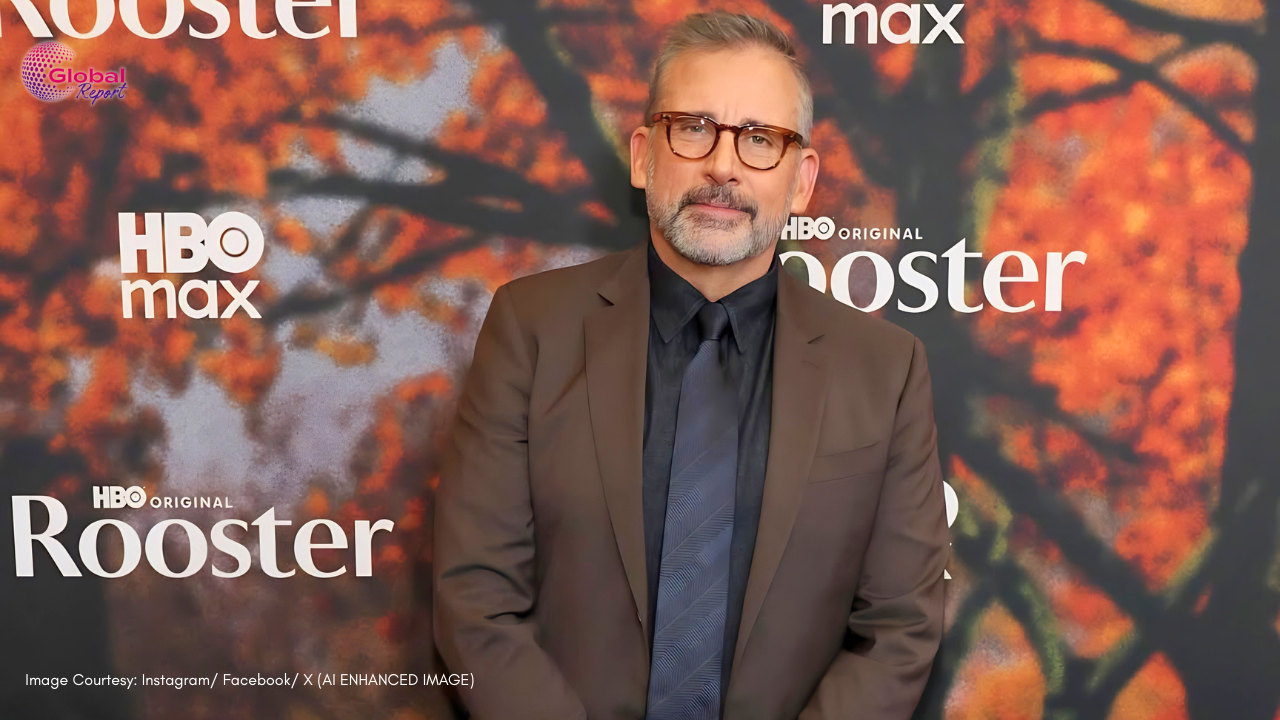
By Steve Carell is one of the most decorated performers in television history who has never actually won. With 11 Emmy nominations to his name and zero trophies on his shelf, the beloved actor has become the most high-profile ongoing snub in the Television Academy’s history. Now, a new HBO Max comedy called Rooster is making industry insiders take a hard second look — and giving Carell what may be his most compelling awards-season case yet.
Carell’s Emmy History: A Record-Setting Drought
Steve Carell first entered the Emmy conversation in 2006, the year after The Office debuted on NBC. His portrayal of Michael Scott — the bumbling, well-meaning, deeply human regional manager of a Pennsylvania paper company — earned him six consecutive Emmy nominations in the Lead Actor in a Comedy Series category. He never won once.
That run, from 2006 through 2011, remains one of the most discussed losing streaks in Emmy history. Voters acknowledged his brilliance repeatedly but consistently chose someone else come decision time. When Carell left The Office in 2011, many assumed his TV chapter was largely written.
He proved them wrong. A nomination for the Apple TV+ drama The Morning Show added to his tally, followed by further recognition across the years. By 2026, his total stands at 11 nominations — a number that places him in a troubling club of exceptional performers the Television Academy has repeatedly honoured but never rewarded.
Quick Facts: Steve Carell’s Emmy Record
| Category | Details |
|---|---|
| Total Emmy Nominations | 11 |
| Total Emmy Wins | 0 |
| First Nomination Year | 2006 |
| Category | Lead Actor, Comedy (6x); Drama/Other (additional) |
| Most Recent Nomination Show | Rooster (2026, expected) |
| Signature Role | Michael Scott, The Office (NBC) |
What Is Rooster and Why It’s Different
Rooster is the new HBO Max comedy co-created by Bill Lawrence and Matt Tarses, the duo behind the beloved medical dramedy Scrubs. The series stars Steve Carell as Greg Russo, a best-selling thriller writer who finds himself adrift inside a New England college campus following a catastrophically bad public speaking engagement.
The premise may sound eccentric, but the execution is where the show earns its reputation. Critics who have seen it describe a series that sits comfortably in the space between laugh-out-loud comedy and quietly bruising drama — a tonal register that Emmy voters have increasingly rewarded in recent years.
What separates Rooster from Carell’s previous TV work is its emotional specificity. The show focuses heavily on Greg’s complicated relationship with his daughter, making it feel personal and grounded in a way that pure workplace comedies rarely achieve. Lawrence and Tarses, who spent years perfecting this blend on Scrubs, appear to have found a new gear with this project.
The early numbers support the buzz. Rooster drew 2.4 million U.S. viewers in its first three days of availability — the most-watched HBO comedy debut in nearly 11 years. HBO has already renewed it for a second season, a sign of institutional confidence that matters enormously during Emmy campaigning.
View this post on Instagram
The Ensemble Behind the Show
One of Rooster‘s most significant strengths in the Emmy conversation is that it is not a one-man show. The supporting cast is deep, credentialed, and individually compelling enough to generate their own awards momentum.
Danielle Deadwyler delivers a sharp, grounded performance that reminds voters why she is one of the most respected actors of her generation — despite missing out on Oscar nominations for Till and The Piano Lesson, despite earning BAFTA, SAG, and Critics Choice recognition in both campaigns. Her presence alone elevates any project she joins.
Annie Mumolo, the Oscar-nominated co-screenwriter of Bridesmaids, leans into the show’s tonal balancing act and emerges as a standout in a potential love-interest role with a genuinely surprising comedic twist. Charly Clive — best known for the British dark comedy Pure — anchors the father-daughter dynamic as Katie, the art history professor whose life Greg repeatedly stumbles into.
Phil Dunster, who earned an Emmy nomination in 2023 for supporting comedy actor on Ted Lasso, continues his post-Richmond career arc with a role that channels his natural charm into an unlikable son-in-law while still bringing genuine vulnerability. Veteran character actor John C. McGinley — a Scrubs alumnus — and five-time Emmy nominee Connie Britton round out the impressive ensemble bench.
This kind of cast depth is exactly what Emmy voters respond to during the long awards season. A show that can generate nominations across multiple categories becomes harder to ignore.
How Rooster Is Breaking Through on HBO Max
HBO Max enters the 2026 Emmy season with an unusually rich slate. Dramas like The Pitt and Task, comedies like Hacks and The Comeback, and miniseries including Half Man all have legitimate claims on voter attention. In that context, Rooster risks being overlooked simply because there is so much competition on the same platform.
That is, however, how genuine dark horses work. Shows like Barry and Silicon Valley did not begin as awards juggernauts; they became viable Emmy contenders through discovery and sustained word of mouth. Rooster is tracking on a similar trajectory — building quietly, impressing deeply, and waiting for the moment voter attention catches up.
The Lawrence-Tarses creative blueprint has historically played well with the Television Academy. Their shows tend to reward repeat viewing, landing jokes and emotional beats harder the second time through. That loyalty-building quality is precisely what turns a well-reviewed comedy into an awards-season player by the time ballots are due.
HBO’s institutional backing matters, too. The network has a long history of knowing how to position its titles for maximum exposure during Emmy campaigning — from FYC events to targeted screener strategies. If the network leans in on Rooster, the show’s relatively modest cultural footprint becomes easier to address.
What This Means for the 2026 Emmy Race
For the Television Academy, a Steve Carell win for Rooster would represent something beyond a simple best-in-category decision. It would be an acknowledgment of two decades of exceptional television work that went unrewarded at the highest level.
That narrative — the overdue veteran finally getting his moment — is one Emmy voters have historically embraced. It drove wins for Bryan Cranston, Matthew McConaughey, and most recently, Bob Odenkirk’s long overdue recognition arc. The Academy genuinely responds to stories of endurance and excellence combined.
Steve Carell’s specific situation adds extra weight. His portrayal of Michael Scott did not just make audiences laugh — it redefined what television comedy could be in the post-Seinfeld era. The Office remains one of the most-streamed shows in television history. The cultural footprint of that role, combined with a genuinely strong new performance in Rooster, gives voters an emotionally satisfying story to tell.
The Emmy race for Lead Actor in a Comedy Series is rarely decided purely on performance quality. Narrative, timing, and institutional momentum all factor in. Right now, all three appear to be aligning for Carell for the first time in his career.
The Bigger Picture: TV’s Most Glaring Emmy Snubs
Steve Carell’s 11 nominations without a win places him in uncomfortable company. Angela Lansbury holds the all-time record with 18 acting nominations and zero wins — the most in Emmy history. Don Cheadle sits at 11 nominations, matching Carell’s total. Kristen Wiig has 10. Bob Odenkirk accumulated 7 nominations for Better Call Saul alone.
These are not cases of voters ignoring mediocre work. Every performer on that list produced television that defined their respective eras. The Emmy Awards, like all awards institutions, operate within the constraints of any given year’s competition, campaigning resources, and voter attention spans.
What distinguishes Carell’s situation in 2026 is the combination of factors rarely aligned simultaneously: a genuinely excellent new performance, a show with strong viewership data, a sympathetic awards narrative, and a platform with the resources to campaign effectively. Any one of those elements helps. All four together represent a meaningful opportunity.
Frequently Asked Questions
Q: How many Emmy nominations does Steve Carell have? A: Steve Carell has received 11 Emmy nominations across his television career, including six consecutive bids for Lead Actor in a Comedy Series for his role as Michael Scott in The Office and additional nominations in subsequent years.
Q: What is the show Rooster about? A: Rooster is an HBO Max comedy series co-created by Bill Lawrence and Matt Tarses. Steve Carell stars as Greg Russo, a best-selling thriller writer who ends up embedded in a New England college campus after a disastrous speaking engagement. The show blends comedy with emotional drama, focusing heavily on a father-daughter relationship.
Q: Has Steve Carell ever won an Emmy Award? A: No. Despite 11 nominations, Steve Carell has never won an Emmy Award, making him one of the most nominated performers in Emmy history without a win.
Q: How did Rooster perform in its debut? A: Rooster drew 2.4 million U.S. viewers in its first three days, making it the most-watched HBO comedy debut in nearly 11 years. HBO renewed it for a second season shortly after.
Q: Who are the other major cast members in Rooster? A: The ensemble includes Danielle Deadwyler, Annie Mumolo, Charly Clive, Phil Dunster, John C. McGinley, and Connie Britton — a lineup with significant Emmy pedigree across multiple categories.
Steve Carell’s 11 Emmy nominations represent one of television’s most enduring paradoxes: a performer universally acknowledged as exceptional, repeatedly passed over at the finish line. Rooster arrives at a moment when the variables — viewership, narrative, platform support, and creative quality — are aligning in his favour as they never quite have before. Whether the Television Academy finally closes that gap remains to be seen, but for the first time in years, the conversation around a Steve Carell Emmy win feels less like wishful thinking and more like a genuine possibility. All it requires is for voters to watch.