 By
By Iran has formally submitted its reply to the latest US Peace Plan aimed at ending a 10-week conflict that has reshaped Middle East geopolitics and sent global energy prices surging. The development comes as the Hormuz Crisis continues to simmer — with fresh drone attacks, intercepted missiles, and blunt warnings from Tehran threatening to unravel an already fragile ceasefire.
State-run Islamic Republic News Agency (IRNA) confirmed the response on Sunday, May 10, but provided no details on its content. The gap between what Washington is proposing and what Tehran is willing to accept remains wide — and the world’s most critical oil chokepoint sits squarely at the center of the standoff.
- Conflict duration: Approximately 10 weeks as of May 2026
- Conflict start: US-Israeli strikes on Iran, February 28, 2026
- Ceasefire date: April 8, 2026 (remains fragile)
- Oil benchmark (Brent crude): ~$101/barrel as of May 9
- Hormuz share of global energy: ~20% of world oil and LNG
- Aramco Q1 profit jump: 26% year-on-year
- Market normalization timeline (if disruption continues): 2027, per Aramco CEO
What the US Peace Plan Actually Proposes
The US Peace Plan put forward by President Donald Trump has two immediate components. First, Iran would agree to permit free passage through the Strait of Hormuz. Second, Washington would end its blockade on Iranian ports within the next month.
In exchange, the proposal implies Tehran’s acceptance that the broader conflict — which has killed thousands across the Middle East — is effectively over. The nuclear question, however, is deliberately deferred. Both sides would negotiate Iran’s nuclear program separately in a later phase of talks.
Trump himself added pressure on Friday, warning that the US might “go a different route” if negotiations stall. That phrase is widely understood as a reference to expanding Project Freedom — the brief US military operation that attempted to break Iran’s maritime stranglehold and escort commercial vessels through the Hormuz chokepoint.
US Energy Secretary Chris Wright added a significant signal on Sunday, appearing on NBC’s Meet the Press. Wright suggested Washington may be willing to prioritize reopening Hormuz over its demand for a full resolution of the nuclear file. Asked directly about an interim deal that leaves the nuclear issue unresolved, he said: that’s “certainly possible.”
Background: How the Hormuz Crisis Started
The current conflict traces directly to February 28, 2026, when US and Israeli forces struck targets inside Iran. The strikes triggered a rapid escalation that included Iran effectively closing the Strait of Hormuz to international shipping — one of the most consequential acts of economic warfare seen in decades.
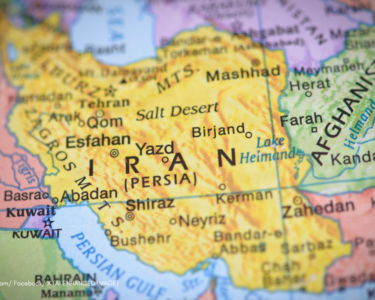
The Strait of Hormuz is a narrow waterway between Oman and Iran. Before the conflict began, roughly one-fifth of the world’s oil and liquefied natural gas passed through it daily. That flow has been severely disrupted, impacting energy supply chains from Asia to Europe.
Iran’s move was both military and strategic. By threatening passage through Hormuz, Tehran gained immediate leverage over the global economy without firing another shot. Oil prices surged. Governments worldwide faced pressure. Consumers — including Americans ahead of November’s midterm elections — felt the squeeze at the fuel pump.
The ceasefire reached on April 8 paused the worst of the fighting, but it did not reopen Hormuz. That remains the central demand of the US Peace Plan and the central point of resistance for Iran.
The Ceasefire That Isn’t Holding
Despite the April 8 ceasefire, the security situation around the Strait of Hormuz and the broader Persian Gulf remains dangerously unstable.
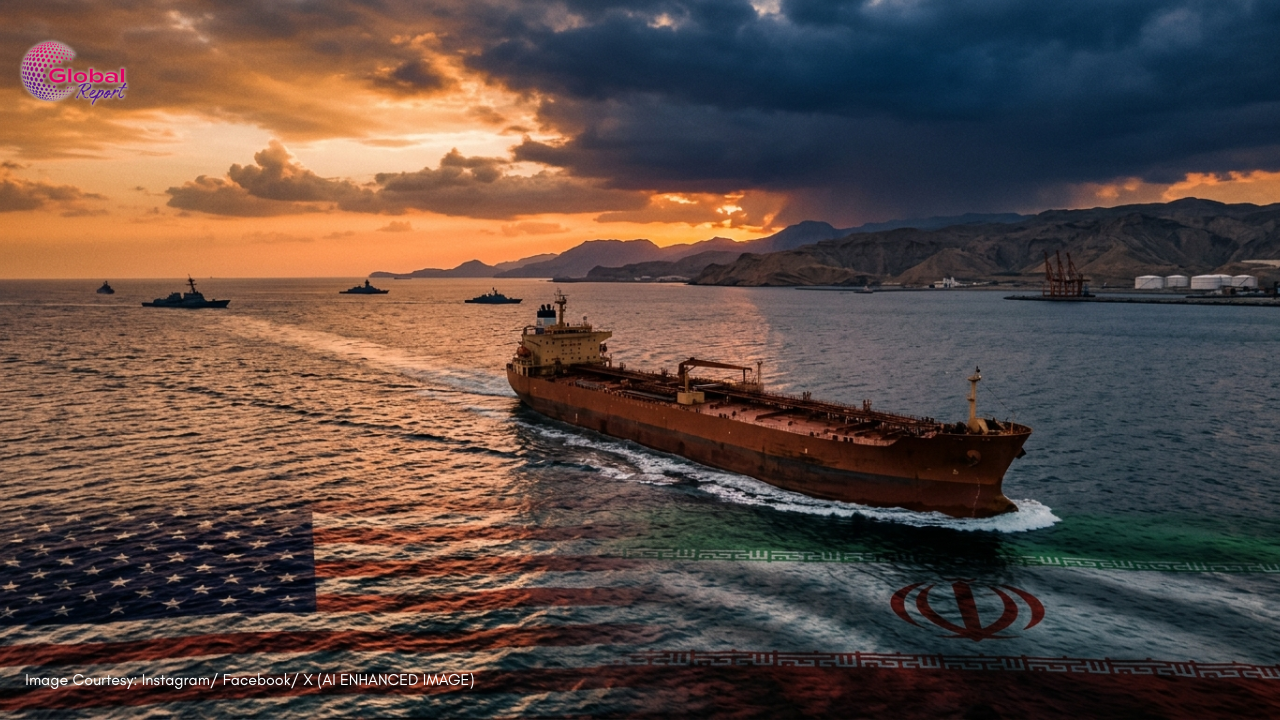
On Sunday, a drone strike set a cargo vessel briefly ablaze off the coast of Qatar in the Persian Gulf. It was the latest in a string of shipping attacks that have continued even after the ceasefire took effect.
The United Arab Emirates and Kuwait both reported intercepting hostile drones on the same day. Both nations have faced attacks from Iran in the past two months — a pattern that demonstrates the regional spread of the conflict beyond its original flashpoints.
Iranian Deputy Foreign Minister Kazem Gharibabadi sharpened the rhetoric on Sunday, warning the United Kingdom and France via a post on X. He stated that any presence of their warships in the Strait of Hormuz would draw a “decisive and immediate response” from Iran’s armed forces.
Israeli Prime Minister Benjamin Netanyahu, in an interview airing Sunday on CBS’s 60 Minutes, was equally blunt. The war, he said, is “not over.” Netanyahu stressed that more work remains to dismantle Iran’s nuclear capability and remove its stockpile of highly enriched uranium — a direct pushback against any interim deal that sidelines the nuclear issue.
Saudi Aramco and the Global Energy Fallout
The economic consequences of the Hormuz Crisis are enormous — and worsening by the week if no resolution comes.
Saudi Aramco CEO Amin Nasser issued a stark warning on Sunday: even if the Strait of Hormuz reopened immediately, it would take several months for global energy markets to return to normal. If disruptions extend beyond a few weeks from the current date, Nasser said in a statement, the market may not normalize until 2027.
That forecast carried weight. Aramco is the world’s largest oil company, and Nasser’s statements directly affect market expectations. At the same time, Aramco reported a 26% jump in first-quarter profit — a direct consequence of war-driven oil price increases.
Brent crude, the global benchmark, edged up to settle around $101 per barrel on Friday, though it still posted a weekly decline of roughly 6% as diplomatic activity raised hopes for a deal.
Gulf producers have adapted in the interim. Bloomberg’s ship-tracking data confirmed that the Al Kharaitiyat — a tanker carrying Qatari LNG — transited Hormuz this weekend. It marked Qatar’s first export out of the region since the crisis began. The vessel was bound for Pakistan, which has emerged as a key mediator in US-Iran peace discussions.
Saudi Arabia, meanwhile, has rerouted some crude exports via pipeline to the Red Sea, bypassing Hormuz entirely. Aramco and UAE state oil company Adnoc have both moved crude cargoes through the strait since Iran effectively closed it, according to Bloomberg’s reporting.
Iran’s Nuclear Program: The Unresolved Core Issue
The US Peace Plan’s decision to defer the nuclear question may be pragmatic, but it leaves the most dangerous variable unresolved.
Iran’s nuclear program has been the defining fault line of US-Iran relations for over two decades. The 2015 Joint Comprehensive Plan of Action (JCPOA) — the landmark nuclear deal — collapsed after the US withdrew in 2018 under Trump’s first term. Since then, Iran has significantly advanced its enrichment capacity.
Netanyahu’s insistence on dismantling Iran’s nuclear capability and removing its highly enriched uranium stockpile reflects Israel’s position that no ceasefire or peace framework can be durable while Iran retains a path to nuclear weapons.
The question for Washington is whether a phased deal — Hormuz reopened now, nuclear talks later — is achievable and enforceable. History offers mixed precedents. Interim agreements in complex conflicts often collapse when the harder issues resurface without a framework already in place.
Iran’s Supreme Leader Mojtaba Khamenei added to the uncertainty on Sunday. State media reported that Khamenei met a top military official and issued “new directives” to confront their enemies. Notably, no footage of Khamenei was released. He has not been publicly seen or heard since his March appointment — a detail that has raised questions internally and abroad about decision-making continuity within Tehran’s leadership.
What This Means for Global Markets and Diplomacy
The submission of Iran’s formal reply to the US Peace Plan is a significant procedural step — but it is not a breakthrough. Tehran has provided no public indication it will accept the deal as structured.
What the reply does signal is that diplomatic channels remain open. For energy markets, even the prospect of a deal has already produced some price movement. A confirmed agreement to reopen Hormuz would likely trigger a significant correction in crude prices — relief for consumers, but a revenue reduction for Gulf producers who have benefited from elevated prices.
For the broader geopolitical picture, the stakes extend beyond oil. A successful US Peace Plan that ends the Hormuz Crisis would represent a major diplomatic win for the Trump administration ahead of midterm elections. A failure — or a prolonged standoff — risks deeper regional escalation, especially with Israel’s stated red lines on nuclear capability still in place.
The Pakistan-mediated LNG arrangement is an under-reported dimension worth watching. Islamabad’s role as a quiet intermediary between Tehran and Washington suggests back-channel diplomatic activity that rarely makes headlines but often determines outcomes.
Frequently Asked Questions
Q: What does the US Peace Plan propose for Iran? A: The US Peace Plan asks Iran to allow free passage through the Strait of Hormuz in exchange for Washington lifting its blockade on Iranian ports within a month. The nuclear issue would be handled separately in later negotiations.
Q: What triggered the Hormuz Crisis in 2026? A: The Hormuz Crisis began after US and Israeli forces struck Iran on February 28, 2026. Iran responded by effectively closing the Strait of Hormuz, disrupting nearly 20% of the world’s oil and LNG supply.
Q: Is the ceasefire between the US and Iran holding? A: The ceasefire declared on April 8, 2026 remains in place but is under serious strain. Drone attacks on shipping, intercepted missiles, and blunt warnings from Iranian officials have raised doubts about its durability.
Q: How has the Hormuz Crisis affected oil prices? A: Brent crude surged dramatically following the conflict’s start. As of May 9, it was trading around $101 per barrel. Saudi Aramco’s CEO warned that even with Hormuz reopened, markets may not normalize until 2027 if disruptions continue.
Q: What role does Iran’s nuclear program play in the peace talks? A: Iran’s nuclear program is the most contentious unresolved issue. The US Peace Plan defers it to a later negotiation phase, but Israel’s Prime Minister Netanyahu has insisted it must be addressed for any lasting resolution.
Iran’s submission of a formal reply to the US Peace Plan keeps diplomacy alive — but the road to ending the Hormuz Crisis remains long and uncertain. The ceasefire is fragile, drone attacks continue, and Iran’s nuclear program looms as the unanswered question at the heart of any durable agreement.
With Brent crude above $100, Aramco warning of extended market disruption, and Netanyahu insisting the war is not over, the coming weeks will determine whether the US Peace Plan evolves into a genuine framework for peace or becomes another failed chapter in decades of US-Iran tensions. Watch Pakistan’s back-channel role, watch the Energy Secretary’s statements, and watch whether Tehran’s reply contains anything resembling a path to yes.
Stay informed with Global Report Online for continuous updates on the Hormuz Crisis and US-Iran peace negotiations.