 By
By Donald Trump has made his position clear: he does not want to extend the existing cease-fire with Iran, and he is prepared to resume military strikes if diplomatic talks collapse. Speaking on Tuesday, April 21, 2026, Trump signaled that time is running out — and that he expects the situation to escalate.
Iran, meanwhile, has fired back with equal force — insisting it will not negotiate “under threat and force.”
The fragile cease-fire is now hours from expiration. The world is watching.
Trump Warns of Resumed Bombing if Talks Fail
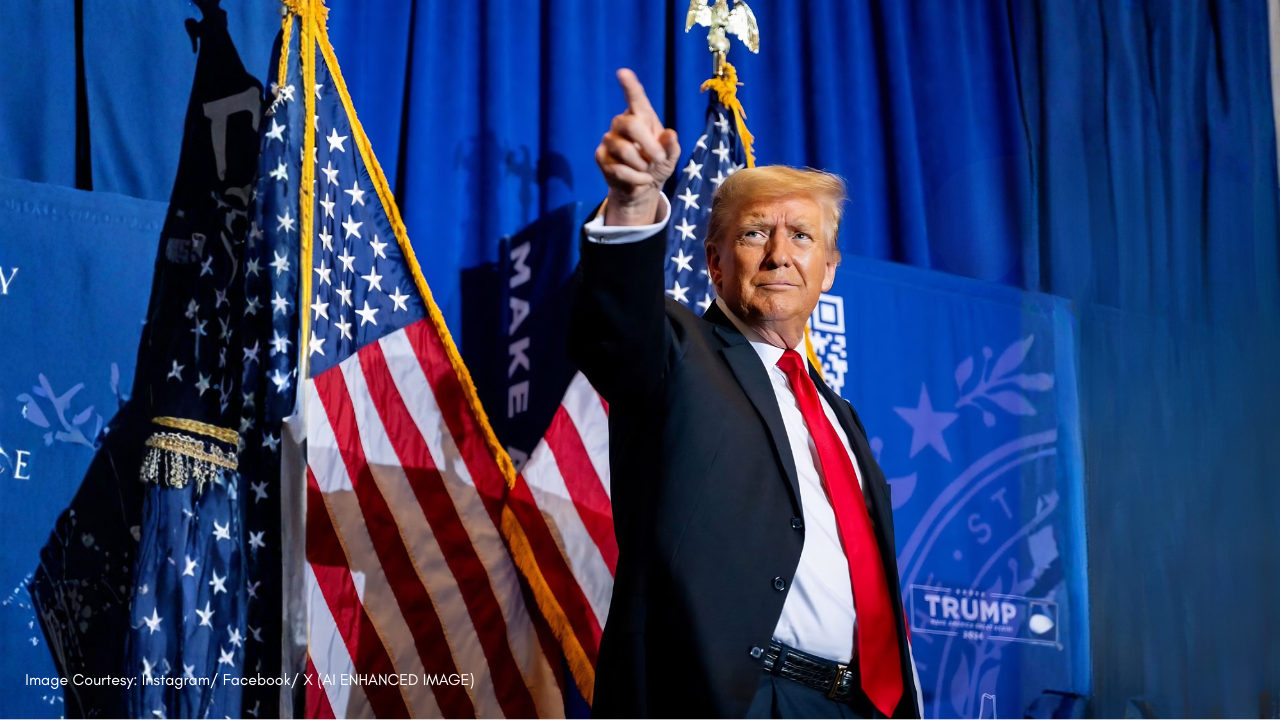
Donald Trump told CNBC on Tuesday morning that he does not want to extend the cease-fire, which was just hours from expiring.
His message was blunt. “We don’t have that much time,” he said, adding that the U.S. is in a strong negotiating position and expects to emerge with a deal he described as “great.”
Trump did not soften the threat of military action. “I expect to be bombing because I think that’s a better attitude to go in with. But we’re ready to go. I mean, the military is raring to go,” he said.
The comments reflect a pressure-first negotiating posture. Trump appears to be using the looming cease-fire expiration as leverage — presenting Iran with a stark choice: deal now, or face renewed strikes.
Iran Refuses to Return to the Negotiating Table
Iran’s response was equally firm. Iran’s ambassador to Pakistan, Reza Amiri Moghadam, insisted Tehran would “not negotiate under threat and force,” framing it as a principled Islamic and theological position.
Iranian parliament speaker Mohammad-Bagher Ghalibaf echoed this stance, warning that Iran is “prepared to reveal new cards on the battlefield” if the situation deteriorates further.
That phrasing — “new cards on the battlefield” — is deliberate. It signals that Iran sees itself as having military options it has not yet deployed. Whether that is a genuine threat or a negotiating posture remains unclear.
Ali Abdollahi, commander of Iran’s Khatam al-Anbiya Central Headquarters, also weighed in, saying that management of the Strait of Hormuz would not be “exploited by the lying and delusional U.S. President.”
The language from Iranian officials is hardened and consistent: no talks under duress.
The Cease-Fire Violations: Who Did What
Both sides have accused the other of breaking the cease-fire — and the dispute over violations is itself now a major obstacle to renewed talks.
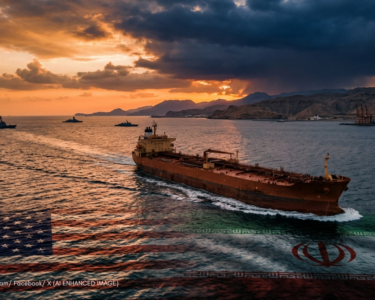
The U.S. Navy seized an Iranian cargo ship in the Gulf of Oman over the weekend after it attempted to bypass the U.S. naval blockade. Iran called both the seizure and the blockade violations of the cease-fire terms.
The U.S., in turn, accused Iran of violating the cease-fire by firing in the Strait of Hormuz — a passage Iran has effectively controlled since the conflict began, crippling global trade in the process.
“Iran has violated the cease-fire numerous times,” Donald Trump posted on Truth Social Tuesday morning.
With both parties claiming the other broke the agreement first, any return to talks will require a third-party mediation framework — something that does not currently appear to exist.
Peace Talks in Pakistan: Will Iran Even Show Up?
The U.S. delegation is expected in Pakistan this week for a new round of negotiations. But there is a critical problem: Iran has yet to confirm whether it will attend, and Iranian state media reported on Tuesday that no Iranian delegation had arrived in Pakistan so far.
The U.S. team is once again led by Vice President J.D. Vance, alongside special envoy Steve Witkoff and Jared Kushner, Trump’s son-in-law. The question now is whether they will have any counterparts to meet with.
A previous 21-hour negotiating session on April 11 ended without an agreement, raising the stakes considerably for this round.
Pakistan’s Foreign Ministry has urged both sides to extend the cease-fire to allow more time for dialogue and diplomacy. Pakistan has also moved to increase security in Islamabad ahead of the planned discussions — a sign that talks, however uncertain, have not been formally abandoned.
The scenario playing out in Islamabad is a high-stakes waiting game. If Iran does not send a delegation, the cease-fire expires, and Donald Trump has already signaled what comes next.
The Strait of Hormuz and the Global Energy Crisis
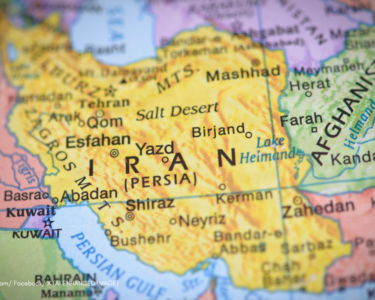
At the center of this conflict is one of the world’s most critical waterways. The Strait of Hormuz connects the Persian Gulf to the Gulf of Oman, and approximately one-fifth of global oil production flows through it.
Iran’s control over that passage has had cascading effects on the global economy. Energy prices have surged. Supply chains have buckled. Consumers everywhere — from airline passengers to motorists — are paying more.
The head of the International Energy Agency stated on Tuesday that the Iran war has triggered the “biggest” energy crisis in history, compounded by the ongoing disruption caused by Russia’s war in Ukraine.
“The crisis is already huge, if you combine the effects of the petrol crisis and the gas crisis with Russia,” the IEA chief said.
The Strait of Hormuz has become more than a military flashpoint. It is now the fulcrum of a global economic crisis. Every day that it remains closed — or partially closed — adds pressure on governments, central banks, and ordinary people worldwide.
World Leaders Push for a Resolution
The international community is not standing on the sidelines. Several major powers have moved to apply diplomatic and logistical pressure toward a resolution.
U.K. Prime Minister Keir Starmer and French President Emmanuel Macron co-chaired an international summit in Paris last week focused on protecting freedom of navigation through the Strait.
Following the summit, both leaders confirmed plans to establish a defensive multinational mission to protect merchant vessels and conduct mine clearance operations — though the mission will only launch “as soon as conditions permit following a sustainable cease-fire agreement.”
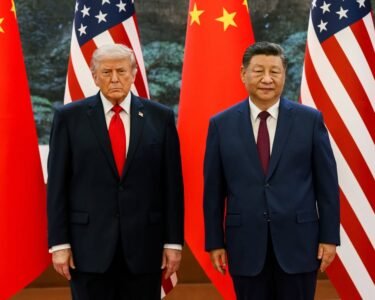
Chinese President Xi Jinping has called for an “immediate and comprehensive” cease-fire to restore normal passage through the critical trade route.
The alignment of the U.K., France, and China — countries that often hold divergent foreign policy positions — reflects the severity of what is at stake. The Strait of Hormuz is not just an American or Iranian problem. It is a global one.
What Happens Next
The next 24 to 48 hours will likely define the trajectory of the U.S.-Iran conflict for months to come. If Iran sends a delegation to Islamabad and talks resume, there is a narrow path to a renewed or extended cease-fire. If Iran does not show up, the cease-fire expires — and Donald Trump has been explicit about what follows.
The variables are stacked. A cease-fire violation dispute with no clear arbiter. A U.S. president who openly says he expects to resume bombing. An Iranian government that refuses to talk under pressure. A global economy already straining under the weight of an energy crisis without precedent.
Pakistan is urging restraint. European powers are building contingency frameworks. The IEA is sounding alarms. But the decision, ultimately, rests with Washington and Tehran.
Whether both sides find a way back to the table — or whether the guns resume — is a question that could be answered before Wednesday morning.
Stay updated on Global Report Online for live coverage as the Iran cease-fire deadline approaches.