 By
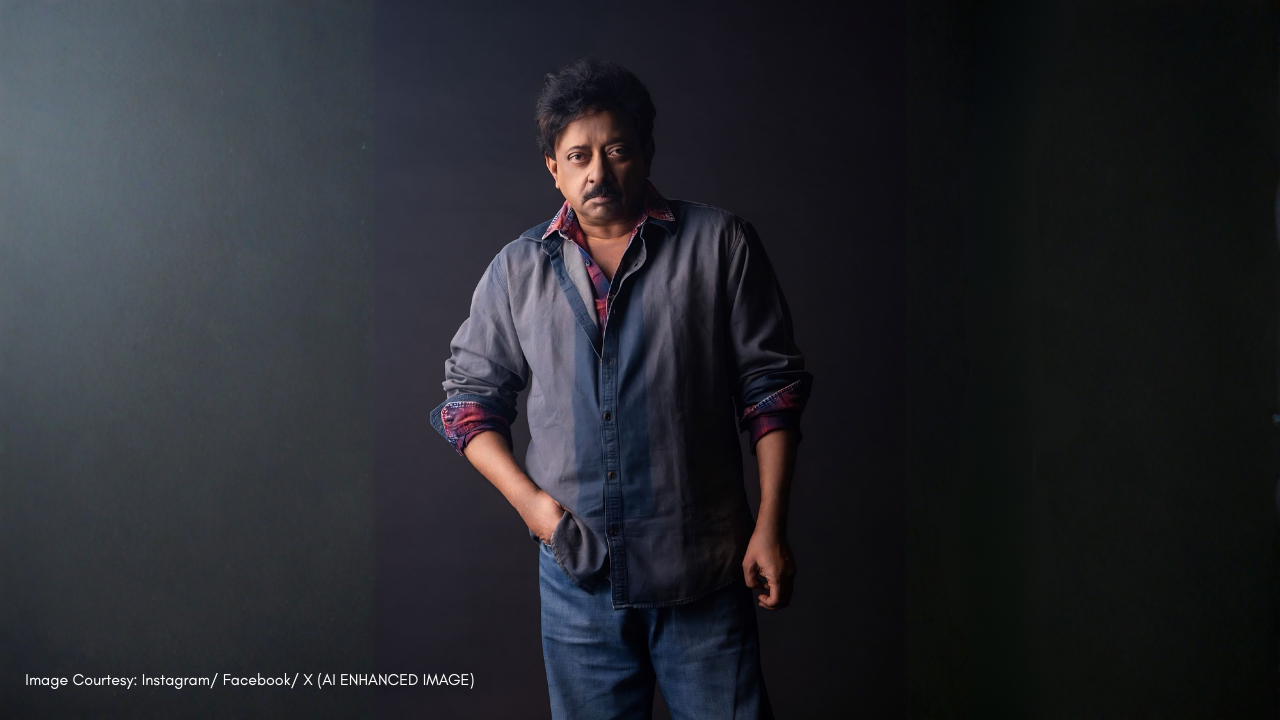
By Filmmaker Ram Gopal Varma has pulled back the curtain on one of Bollywood’s darkest chapters — explaining why gangsters made the 1990s a deadly decade for India’s film industry.
In a candid interview with author and investigative journalist Hussain Zaidi, Varma addressed the underworld’s stranglehold on Hindi cinema. His revelations covered the murders, the extortion networks, and why industry figures like Gulshan Kumar and Rakesh Roshan became prime targets.
The 1990s: When Bollywood Lived in Fear
The 1990s remain a deeply unsettling chapter in Indian film history. Many actors, producers, and directors faced threats, extortion calls, and direct pressure from the underworld. Some paid heavy consequences when they refused to comply.
The pattern was consistent and brutal. Gangsters demanded money, acting roles for their associates, and overseas distribution rights. Those who said no faced violence. Those who cooperated bought themselves temporary safety — at a steep price.
Filmmaker Karan Johar has spoken about receiving threatening calls when his debut film Kuch Kuch Hota Hai was released. Actor Varun Dhawan has also revealed that his father, filmmaker David Dhawan, received similar calls.
The fear was not limited to the biggest names. It spread across the industry — from music companies to production houses to distributors. The underworld had built an invisible tax on Bollywood’s success.
Why Gangsters Targeted Gulshan Kumar
Of all the tragedies from that era, the murder of T-Series founder Gulshan Kumar stands as the most chilling example of what refusal could cost.
Abu Salem is believed to be the mastermind behind the murder of music baron Gulshan Kumar on 12 August 1997, carried out without Dawood Ibrahim’s direct consent. The killing sent a message that no one in the industry — no matter how powerful — was untouchable.
Gulshan Kumar had built T-Series into one of India’s most dominant music labels. That success made him a high-value target for extortion. Salem’s operations in Bollywood included extorting money from film producers, channelling illicit funds into film production, forcibly securing actor dates, and seizing overseas distribution rights.
When Kumar refused to meet those demands, the consequences were fatal. He was shot dead in broad daylight outside a temple in Mumbai’s Andheri suburb. The case shocked the nation and forced a reckoning about the depth of the underworld’s reach into mainstream entertainment.
The Shooting of Rakesh Roshan
Producer-director Rakesh Roshan survived his brush with the underworld — but barely.
The underworld had expressed interest in casting Hrithik Roshan in a film funded by them. Rakesh Roshan’s refusal of that offer resulted in him being shot twice.
Abu Salem’s gang members also attempted to shoot Bollywood film directors Rajiv Rai and Rakesh Roshan when they refused to yield to his extortion demands.
The attack on Rakesh Roshan in January 2000 came at a moment when Hrithik had become the biggest new star in the country following Kaho Naa… Pyaar Hai. His father paid the price for standing between his son and the underworld’s ambitions.
Following the attack, Hrithik Roshan gave an emotional interview in which he said he wanted to quit films altogether, feeling directly or indirectly responsible for what had happened to his father.
Ram Gopal Varma has repeatedly cited the attack on Rakesh Roshan as one of the defining moments that illustrated how far gangsters were willing to go to enforce their demands on the film industry.
Ram Gopal Varma’s Unique Position in the Chaos
While most of the industry cowered, Ram Gopal Varma occupied a peculiar space. He was neither a target nor a collaborator in the traditional sense — he was an observer who turned the chaos into cinema.
Varma has said his experience during that period was completely different from most of his contemporaries. Rather than receiving threats, he studied the gangster world with a filmmaker’s eye and channelled it into some of the most acclaimed crime films Indian cinema has ever produced.
His 1998 film Satya is widely considered a landmark — a gritty, realistic portrayal of Mumbai’s criminal underworld that broke from Bollywood’s romanticised depiction of crime. Company (2002) followed with equal critical weight. Both films brought the streets to the screen in a way that felt disturbingly authentic.
Ram Gopal Varma has also revealed that an underworld gang had planned to assassinate renowned producer Manmohan Shetty during the same period — a detail that underscores just how broad the gangsters’ reach into the industry truly was.
Dawood Ibrahim and the Film Industry Connection
No discussion of 90s Bollywood and gangsters is complete without addressing Dawood Ibrahim — India’s most wanted fugitive and the head of D-Company, the criminal syndicate that cast the longest shadow over the industry.
In his recent interview, Ram Gopal Varma revealed that he had originally dedicated his autobiography Guns & Thighs to Dawood Ibrahim, but the publishers removed his name. He stated: “If Dawood Ibrahim was not there, I would not have made Satya and Company, the two iconic films. How can I not dedicate it to him? I am earning my living because of him.”
The statement is deliberately provocative — but it reflects a larger truth. The gangster era gave filmmakers like Varma their most compelling source material.
Former Mumbai police officer D Sivanandhan had previously suggested that some of Varma’s films were funded by gangsters. He claimed that Satya, Shootout at Wadala, Company, and Shootout at Lokhandwala were made to lift the image of gangsters. He also suggested that films from the 1970s like Deewaar and Muqaddar Ka Sikandar were funded by criminal elements.
Varma has never confirmed such claims. But his willingness to openly credit Dawood for his creative output is itself a statement on how deeply the underworld permeated the film world — whether directors sought it or not.
Abu Salem, who worked under Dawood’s D-Company before splitting from the gang, had organised stage shows featuring actors and was involved in extorting the Hindi film industry at scale. The network was vast, organised, and deliberately designed to extract maximum value from Bollywood’s commercial success.
The Legacy of the 90s Underworld in Bollywood
The stranglehold of gangsters on Bollywood began to loosen in the early 2000s, following a series of law enforcement crackdowns and the arrest of key figures including Abu Salem in 2002.
But the scars remain. The murder of Gulshan Kumar, the shooting of Rakesh Roshan, and dozens of lesser-known incidents involving threats and extortion have shaped how the industry operates today — with far greater security, legal infrastructure, and awareness.
Ram Gopal Varma’s willingness to keep speaking about this period is part of why it has not been forgotten. His statements continue to bring attention to a controversial chapter in Bollywood’s history, highlighting how differently individuals navigated the industry during that dangerous decade.
For audiences and film historians, his account — shaped by direct observation and channelled through films like Satya — remains one of the most honest windows into what the 90s were really like behind the glamour.
The era of gangsters controlling Bollywood is largely behind the industry. But as recent incidents have shown, the question of whether organised crime and entertainment can ever be fully separated remains open.
Follow the ongoing story of Bollywood’s history with crime, power, and cinema — only on Global Report Online.
Hashtags: #RamGopalVarma #Bollywood #GulshanKumar #RakeshRoshan #DawoodIbrahim