 By
By Iran has declared the Strait of Hormuz completely open for all commercial vessels — a dramatic reversal that sent oil prices plunging and stock markets to record highs on April 17, 2026. The announcement, made by Iranian Foreign Minister Abbas Araghchi, marks a pivotal shift in a conflict that has throttled roughly one-fifth of the world’s oil supply for nearly seven weeks.
But the reopening comes with conditions. Ships must follow a coordinated route approved by Iranian authorities. And the United States says its own blockade of Iranian ports remains firmly in place.
Here are five critical facts every reader needs to understand about this fast-moving situation.
What Iran Actually Said
Iranian Foreign Minister Abbas Araghchi posted the announcement on X (formerly Twitter) on the morning of April 17, 2026. He stated that passage for all commercial vessels through the Strait of Hormuz is declared completely open for the remaining duration of the ceasefire, on a coordinated route already announced by Iran’s Ports and Maritime Organisation.
The timing was deliberate. Araghchi framed the decision as being made in line with a freshly announced 10-day ceasefire between Israel and Lebanon — a conflict closely tied to Iranian interests through its ally Hezbollah.
The move signals that Iran is willing to use its grip on the strait as diplomatic leverage, opening and closing access in sync with broader geopolitical negotiations. That pattern is unlikely to be lost on global shipping companies still weighing the risks of re-entering the waterway.
In line with the ceasefire in Lebanon, the passage for all commercial vessels through Strait of Hormuz is declared completely open for the remaining period of ceasefire, on the coordinated route as already announced by Ports and Maritime Organisation of the Islamic Rep. of Iran.
— Seyed Abbas Araghchi (@araghchi) April 17, 2026
How the Strait of Hormuz Crisis Began
The Strait of Hormuz crisis traces directly to February 28, 2026, when the United States and Israel launched coordinated military strikes against Iran in what became known as Operation Epic Fury. The strikes also resulted in the death of Iran’s Supreme Leader, Ali Khamenei.
Iran retaliated swiftly. The Islamic Revolutionary Guard Corps (IRGC) issued warnings forbidding ships from passing through the strait, launched at least 21 confirmed attacks on merchant vessels, and reportedly laid sea mines in the waterway.
Within days, commercial tanker traffic collapsed to near zero. War risk insurance premiums surged more than a hundredfold — from roughly 0.05% of a vessel’s value to over 5% — making transit commercially unviable for most shipping operators.
A temporary ceasefire between the US and Iran was brokered by Pakistan on April 7, 2026. However, the strait remained contested, with Iran charging transit tolls of over $1 million per ship — a demand that drew sharp international opposition.
Why the Strait of Hormuz Matters to the World
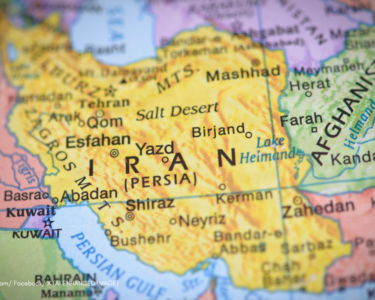
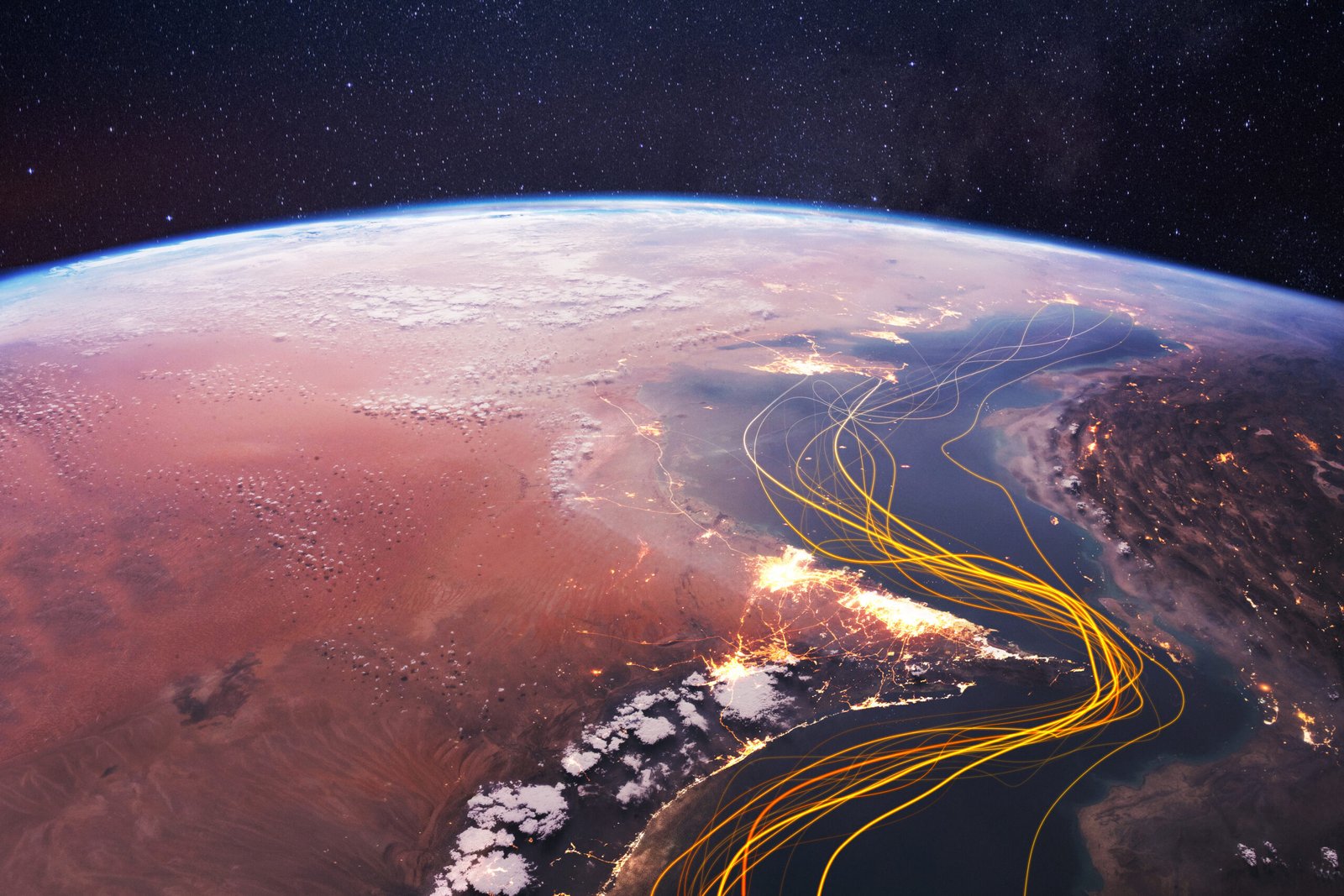
The Strait of Hormuz is the single most important maritime chokepoint on the planet. Under normal conditions, approximately 20 to 21 million barrels of oil pass through it every day — roughly 20% of the world’s total petroleum supply.
The stakes extend beyond crude oil. About 20% of the world’s liquefied natural gas (LNG) moves through the strait, much of it from Qatar destined for European markets. Europe relies on this route for 12% to 14% of its LNG supply.
The disruption also hit global agriculture. Up to 30% of internationally traded fertilizers — including a substantial share of global urea and ammonia exports — normally transit this narrow passage. The blockade triggered fertilizer shortages just as the spring planting season began, adding food security to an already severe energy crisis.
China, which receives roughly one-third of its oil through the strait, faced particularly acute pressure. Asian markets absorb around 84% of crude oil shipments that normally flow through Hormuz. The blockade created cascading shortages across supply chains from Tokyo to Mumbai.
How Global Markets Reacted
The market response to Iran’s announcement was immediate and dramatic.
Brent crude oil dropped more than 11%, falling to around $88 a barrel within hours of the declaration. US crude plunged approximately 10% to nearly $85 per barrel. Heating oil futures fell 13%, while wholesale gasoline futures dropped 7% — providing relief to consumers who had faced sharply elevated fuel prices since late February.
Stock markets surged. The S&P 500 and Nasdaq Composite both opened at new all-time highs following the announcement. The moves reflected investor relief that one of the most economically disruptive geopolitical crises in recent memory may be nearing resolution.
The energy price spike over the course of the blockade had been severe. Brent crude had risen more than 20% since the conflict began in late February, contributing to inflationary pressure across economies worldwide.
What Happens Next — and What the Conditions Mean
Iran’s reopening of the Strait of Hormuz is conditional, not unconditional — and that distinction matters.
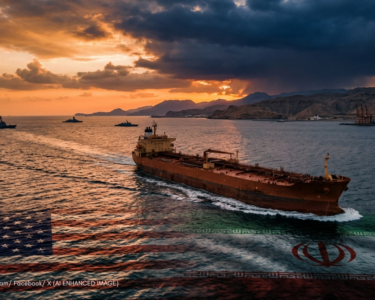
Ships must transit along a specific coordinated route designated by Iran’s Ports and Maritime Organisation. Vessels deviating from this route remain at risk. The IRGC has previously attacked ships it deemed to be in violation of its directives, and sea mines reportedly laid during the blockade have not all been cleared.
Meanwhile, US President Donald Trump welcomed Iran’s announcement with characteristic fanfare on social media, declaring the strait “FULLY OPEN AND READY FOR FULL PASSAGE.” However, Trump simultaneously confirmed that the US naval blockade of Iranian ports will remain in full force until a formal peace deal is signed. Negotiations between the US and Iran, facilitated through Pakistan, are ongoing.
The current US-Iran ceasefire is set to expire on April 21, 2026 — just four days away. If talks break down before then, the situation could deteriorate rapidly. Shipping companies and their insurers are watching the clock.
The question for the global shipping industry is not just whether the strait is open today, but whether it will remain open tomorrow. War risk premiums, though declining from their peak, have not returned to pre-crisis levels. The Lloyd’s insurance market and other underwriters are unlikely to lower rates until there is a durable political settlement — not just a temporary military pause.
The Bigger Picture: A Fragile Ceasefire
Iran’s declaration did not emerge in a vacuum. It came on the same day that French President Emmanuel Macron and British Prime Minister Keir Starmer co-hosted a summit of 49 nations in Paris specifically to address the Strait of Hormuz crisis.
UK Prime Minister Keir Starmer announced that a joint “strictly peaceful and defensive” mission would be organized to support mine clearance and provide security for commercial vessels transiting the waterway. More than a dozen countries had already offered contributions, with a planning meeting scheduled for London the following week.
Iran, meanwhile, had already shown selective flexibility before April 17. In late March, Tehran granted transit rights to vessels from China, Russia, India, Iraq, Pakistan, Malaysia, Thailand, and the Philippines — a pattern that suggested Iran was carefully calibrating access as a diplomatic tool rather than maintaining a blanket closure.
The International Maritime Organization (IMO) Secretary-General Arsenio Dominguez weighed in bluntly, stating that fragmented responses are no longer sufficient to resolve the crisis and that coordinated international action is urgently required.
The Strait of Hormuz remains technically open as of April 17, 2026. But the underlying conflict that closed it in the first place has not been resolved. A ceasefire expiring in four days, a US blockade still targeting Iranian ports, uncleared sea mines, and billion-dollar insurance risk premiums all point to a situation that is stable but far from settled.
The world’s most critical oil passage has been reopened — for now. Whether it stays that way depends on diplomatic progress that remains uncertain at best.
Stay informed on the latest developments in the Strait of Hormuz crisis and global energy markets. Bookmark this page for real-time updates as the US-Iran negotiations approach their April 21 deadline.
Hashtags: #StraitOfHormuz #Iran #GlobalEnergy #OilPrices #Geopolitics