 By
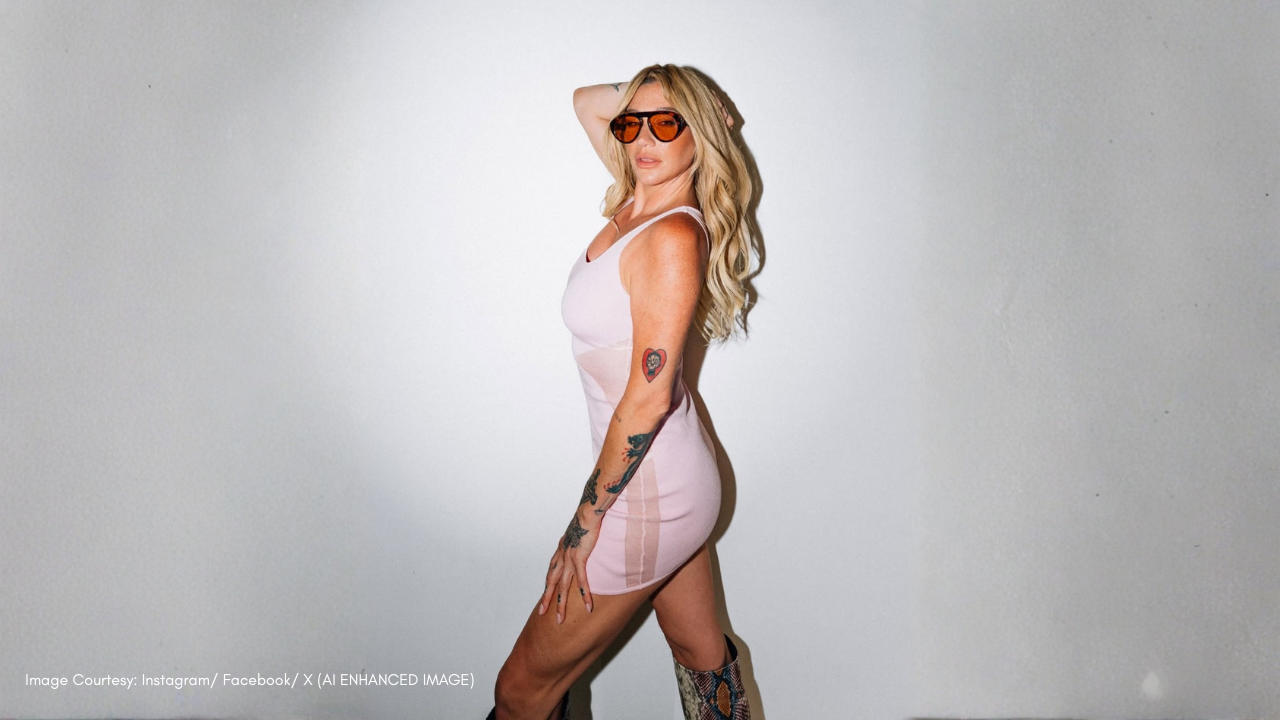
By Kesha is speaking her truth — and she is doing it without a single apology. The “Tik Tok” singer, 39, sat down with host Alex Cooper on the Call Her Daddy podcast and made a series of candid admissions about her personal life, her mindset since settling a years-long legal dispute with music producer Dr. Luke, and why she has deliberately stepped back from romantic relationships. Kesha’s revelations sparked immediate conversation online and offered a rare, unfiltered look at how she has rebuilt her identity after one of the most turbulent decades in modern pop music history.
What Kesha Said on Call Her Daddy
Kesha, whose full legal name is Kesha Sebret, delivered one of her most candid interviews in recent memory during her Call Her Daddy appearance. When Alex Cooper asked her about reclaiming her sexuality in the years since her legal battle ended, Kesha answered directly and without hesitation.
She told Cooper she is now “mostly celibate” — with one notable exception: Italy. Kesha quickly clarified she was referring to her own behavior while visiting the country. The remark drew laughs, but the broader message was unmistakable — she is charting her own course on intimacy, and nobody else’s opinion factors into that equation.
She went further than discussing celibacy alone. Kesha revealed she now masturbates to gratitude meditations, a statement that momentarily caught even the seasoned Cooper off guard. “Don’t knock it till you try it,” Kesha told her, laughing. The comment balanced humor with genuine sincerity — and it was entirely on-brand for an artist who has built a career on raw, unfiltered honesty.
View this post on Instagram
The Gratitude Meditation That Changed Everything
Kesha described how she begins every single day with a gratitude meditation. For her, this is not a wellness trend or a social media aesthetic — it is a conscious act of self-repair after years of sustained emotional and psychological strain.
She explained that going through extreme life challenges — legal, professional, and personal — had rewired her brain in ways that made accessing pleasure difficult. She described the process of reclaiming that part of herself as deliberate, daily, and deeply intentional. “I’m not even embarrassed about it,” she said, making clear that shame has no place in her recovery.
Research from institutions including Harvard Medical School has linked regular gratitude practices to increased dopamine activity and measurable improvements in emotional resilience. What Kesha describes experiencing aligns closely with these findings — her daily ritual is not just spiritual, it is neurological.
Her openness about the practice also challenges a cultural expectation that survivors of trauma must remain reserved or guarded about their bodies. Kesha is doing the opposite, and she is doing it publicly.
Kesha’s Decade-Long Legal Battle with Dr. Luke
To understand where Kesha stands today, it is essential to understand the road she traveled to get here. In 2014, Kesha filed a lawsuit against music producer Dr. Luke — real name Lukasz Gottwald — alleging that he drugged and sexually assaulted her in 2005. She also alleged years of sexual, physical, and emotional abuse during her professional tenure at his Kemosabe Records label.
Dr. Luke denied all allegations. A New York court dismissed Kesha’s civil lawsuit in 2016 on jurisdictional grounds. But the conflict did not end there.
Dr. Luke filed a defamation countersuit against Kesha, and that case stretched on for years. The dispute cast a long, heavy shadow over her career and public identity during what should have been among the most productive years of her professional life.
The case became a flashpoint in broader conversations about power dynamics in the music industry. Tens of thousands of fans rallied behind the hashtag #FreeKesha, and several prominent artists publicly voiced their support for her. Legal analysts pointed to her situation as an example of how record label contracts can give labels disproportionate control over an artist’s life and public voice.
Life After the Settlement: A New Beginning
In June 2023, Kesha and Dr. Luke reached an out-of-court settlement in the defamation case. Neither party disclosed financial terms. Kesha publicly stated she wished “nothing but peace to all parties involved.” Dr. Luke echoed that, saying it was time to put the matter behind him.
Following the settlement, Kesha parted ways with Kemosabe Records — a separation that represented far more than a business decision. It marked the formal end of a chapter that had consumed nearly a decade of her adult life.
The freedom Kesha describes on Call Her Daddy is inseparable from that moment. She told Cooper that once she had her freedom back, one concept kept returning to her: pleasure. Specifically, the right of women to experience it without guilt.
“It is okay as a woman to feel pleasure in this world,” she said. That sentence, stripped of all context, might read as simple. Layered against everything Kesha lived through to say it, it reads as a hard-won declaration of self-ownership.
Kesha’s Growth as an Artist and Public Figure
Before the legal battle dominated headlines, Kesha was known primarily for anthems like “Tik Tok,” “Blow,” and “Die Young.” She broke through in 2009 with a sound that combined irreverent humor, pop hooks, and an unmistakable sense of bravado. Her debut single “Tik Tok” topped charts in multiple countries and became one of the defining pop moments of the early 2010s.
The years of legal turmoil reshaped her public image in ways that went far beyond celebrity gossip. Kesha channeled her experience into her 2017 album Rainbow — widely regarded as one of the most emotionally powerful pop records of that decade. The album addressed themes of pain, self-worth, survival, and resilience with a directness that resonated with millions of listeners.
She received two Grammy nominations, demonstrating that her artistry extended well beyond her commercial origins. Critics who had initially categorized her as a party-pop act reassessed entirely after Rainbow.
As of 2026, Kesha has continued performing, making public appearances, and engaging with fans and media on her own terms. The Call Her Daddy interview represents the latest and perhaps most personal chapter in that ongoing reclamation of her public identity.
What Kesha’s Journey Reveals About Healing
Kesha’s Call Her Daddy appearance is about more than celebrity candor. Her public discussion of celibacy and gratitude meditation reflects a broader cultural shift — one in which survivors of trauma are refusing to allow their experiences to permanently define their relationship with their own bodies and desires.
Mental health professionals and trauma therapists have increasingly emphasized the role of pleasure, somatic practices, and mindfulness in recovery frameworks. Kesha’s description of her daily gratitude meditation as an active tool of neurological reprogramming closely mirrors frameworks like somatic experiencing and cognitive behavioral therapy — two approaches widely used in trauma recovery.
Her framing also pushes back against an unspoken expectation that survivors must remain visibly wounded to be taken seriously. Kesha is funny, self-assured, and clearly forward-moving. She is not positioning herself as a victim seeking sympathy — she is presenting herself as a woman who fought, survived, and is now enjoying the life on the other side of that fight.
For the many fans who followed her case through its most painful years, this interview serves as a form of collective exhale. It confirms that she has moved not just past, but genuinely through, one of the most public and prolonged personal battles in recent entertainment history.
Frequently Asked Questions
Q: Why is Kesha mostly celibate? A: Kesha explained on Call Her Daddy that after her years-long legal battle with Dr. Luke and the emotional toll it carried, she made a deliberate choice to redirect her focus toward personal healing and pleasure on her own terms. She described going mostly celibate as part of a broader process of reprogramming her relationship with her body.
Q: What was the Kesha and Dr. Luke legal case about? A: In 2014, Kesha filed a lawsuit against music producer Dr. Luke, accusing him of drugging and sexually assaulting her in 2005 and subjecting her to years of abuse. Dr. Luke denied all allegations. The dispute escalated when he filed a defamation countersuit, which the two parties eventually settled out of court in June 2023.
Q: What is Kesha’s full name and age? A: Kesha’s full legal name is Kesha Sebret. She is 39 years old. Early in her career she stylized her name as Ke$ha but has used Kesha professionally for many years.
Q: What did Kesha say about gratitude meditation on the Call Her Daddy podcast? A: Kesha told host Alex Cooper that she starts every day with a gratitude meditation and described using this practice as a tool to reconnect with pleasure and reprogram her brain after years of surviving trauma. She spoke about the process with humor and zero embarrassment.
Q: What album is Kesha most known for artistically? A: While Kesha’s commercial breakthrough came with “Tik Tok” in 2009, her most critically acclaimed work is her 2017 album Rainbow, recorded during her legal dispute with Dr. Luke. The album earned her two Grammy nominations and is widely seen as one of the most personal and powerful pop records of that era.
Kesha’s appearance on Call Her Daddy was more than a candid celebrity moment — it was the public articulation of hard-won freedom. Her choice to embrace celibacy, begin each day with a gratitude meditation, and speak openly about reclaiming pleasure reflects a woman who fought for years — publicly and privately — to own her own story again. As her career moves forward on her own terms, Kesha stands as a compelling example of what life after a decade of legal and emotional battle can genuinely look like: not perfect, not effortless, but unmistakably, defiantly free.
Follow Kesha’s journey and stay updated on the latest celebrity news — because this artist is clearly just getting started.