 By
By The USA has escalated its confrontation with Iran to a dangerous new level, announcing a full naval blockade of Iran’s coastline — including the strategically vital Strait of Hormuz. The move follows the collapse of peace talks in Pakistan and marks one of the most consequential geopolitical moves in recent memory.
Here are 5 critical facts about the unfolding USA Iran blockade and what it means for global energy, trade, and security.
What the USA Iran Blockade Actually Means
The United States has published a formal notice spelling out the scope of its planned naval blockade of Iran. According to the notice reviewed by Bloomberg, the measures were set to begin at 3 p.m. London time on the day of announcement.
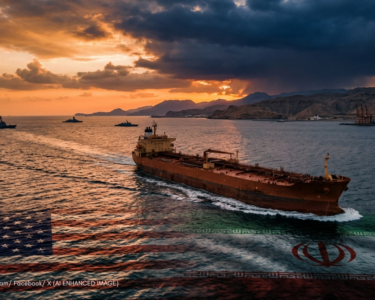
Any neutral ship found inside Iranian waters after that deadline would be subject to interception, diversion, or outright capture. The USA Iran blockade covers Iran’s entire coastline — not just the Strait of Hormuz, but also waters to the east of the strait.
This is not a symbolic gesture. It is a full maritime enforcement action with real legal and military teeth.
Why the Strait of Hormuz Matters So Much
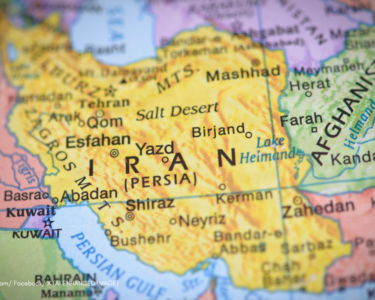
The Strait of Hormuz is the world’s most important energy chokepoint. Roughly 20% of all global oil trade passes through this narrow waterway between Iran and Oman.
Blocking it — or even threatening to block it — sends shockwaves through global energy markets. Iran has controlled access to the strait for much of the current conflict, which began in late February.
Iranian oil exports have largely continued uninterrupted since hostilities began, serving as a critical financial lifeline for Tehran. The USA blockade is designed to sever that lifeline.
What Happened to the Peace Talks?
The blockade announcement came directly after peace negotiations between the USA and Iran broke down in Pakistan over the weekend. President Donald Trump responded by ordering the naval blockade of the Strait of Hormuz.
The collapse of talks marks a significant shift in the conflict’s trajectory. Up until this point, diplomatic channels had kept open the possibility of a negotiated resolution.
With talks off the table, both sides appear to be moving toward a direct confrontation over control of one of the world’s most strategically sensitive waterways.
Iran’s Alarming Response to the Blockade
Iran did not stay silent. Tehran warned that it would target all ports in and near the Persian Gulf if its own shipping infrastructure came under threat.
That threat covers a sweeping geographic area — potentially putting major Gulf energy hubs in countries like Saudi Arabia, the UAE, Qatar, and Kuwait in Iran’s crosshairs. These are not empty warnings; Iran has demonstrated the capability to strike regional energy infrastructure in the past.
The standoff over the strait has now become a high-stakes geopolitical game with severe consequences for global energy supply chains. The USA and Iran are effectively squaring off at the most sensitive maritime corridor on the planet.
What Happens to Neutral Ships and Humanitarian Aid?
The USA has drawn a distinction between Iranian vessels and neutral shipping traffic. According to the notice, neutral ships transiting the Strait of Hormuz on their way to or from non-Iranian destinations will not be blocked — but they may be searched for contraband cargo.
Humanitarian shipments are also permitted under the blockade terms. Food, medical supplies, and other goods essential for civilian survival will be allowed through, subject to inspection.
US Central Command, when approached for additional comment, said it had nothing beyond a statement issued the previous Sunday.
The carve-outs for neutral and humanitarian shipping suggest the USA is trying to limit the diplomatic fallout of the blockade — though in practice, maritime enforcement at scale is rarely clean or frictionless.
What Comes Next in the USA-Iran Standoff?
The USA Iran blockade has introduced a level of uncertainty into global energy markets that has not been seen in years. Oil prices, shipping insurance rates, and regional military postures are all likely to shift rapidly in the days ahead.
Iran’s threat to target Persian Gulf ports could pull additional nations into the conflict — either as targets or as mediators. Gulf Arab states, many of which host US military bases, will be watching the situation extremely closely.
For the USA, the blockade represents a decisive escalation. Whether it achieves its goal of cutting off Iran’s financial lifeline — or triggers a wider regional war — remains the critical open question.
The next 72 hours will likely determine whether this becomes a controlled pressure campaign or the spark for something far larger.
Stay informed on the latest developments in the USA-Iran standoff. Bookmark this page and check back for updates as the situation evolves.
Hashtags: #USAIranBlockade #StraitOfHormuz #IranUSA #PersianGulfCrisis #GeopoliticsToday