 By
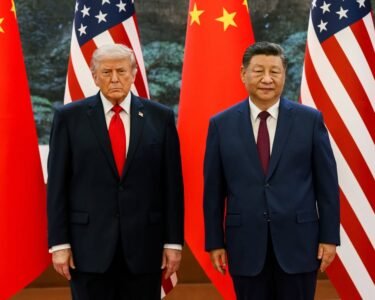
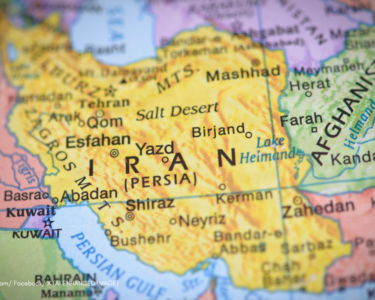
By Donald Trump has ordered a naval blockade of the Strait of Hormuz, one of the world’s most vital oil shipping lanes, after nearly 20 hours of U.S.-Iran peace talks in Islamabad ended without a deal. The breakdown, driven by Iran’s refusal to abandon its nuclear ambitions, marks a sharp escalation in the ongoing standoff between Washington and Tehran.
Happened in Islamabad
Diplomats from the United States and Iran gathered in Islamabad, Pakistan, for an intensive round of peace negotiations facilitated by Pakistani Prime Minister Shehbaz Sharif and Army Chief Field Marshal Asim Munir.
The talks stretched close to 20 hours. According to Donald Trump, negotiators reached agreement on most points — but the discussions ultimately collapsed over a single unresolved issue: Iran’s nuclear program.
Vice President JD Vance, special envoy Steve Witkoff, and Jared Kushner participated in the Islamabad round and briefed Trump following the breakdown. The White House had signaled cautious optimism heading into the talks, but that hope evaporated once Iran’s position on enrichment became clear.
A source cited by Axios also noted that control of the Strait of Hormuz was a secondary point of contention during the negotiations.
Trump’s Strait of Hormuz Blockade Order
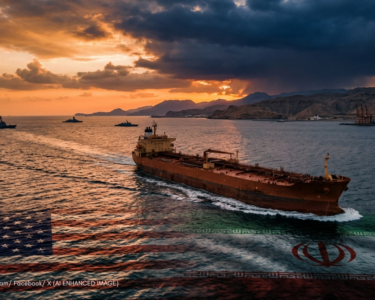
Shortly after being debriefed, Donald Trump announced the blockade in a pair of posts on Truth Social. He directed the U.S. Navy to begin blocking all ships attempting to enter or leave the Strait of Hormuz.
Trump further ordered the Navy to seek out and intercept any vessel in international waters that had paid a toll to Iran. He also confirmed that U.S. forces would begin clearing mines that Iran had laid in the strait.
Trump warned that any Iranian forces that fire on U.S. ships or peaceful vessels would face immediate and severe military consequences. The announcement signals a significant shift from diplomatic pressure toward direct military posturing in one of the world’s most sensitive waterways.
Why the Strait of Hormuz Matters
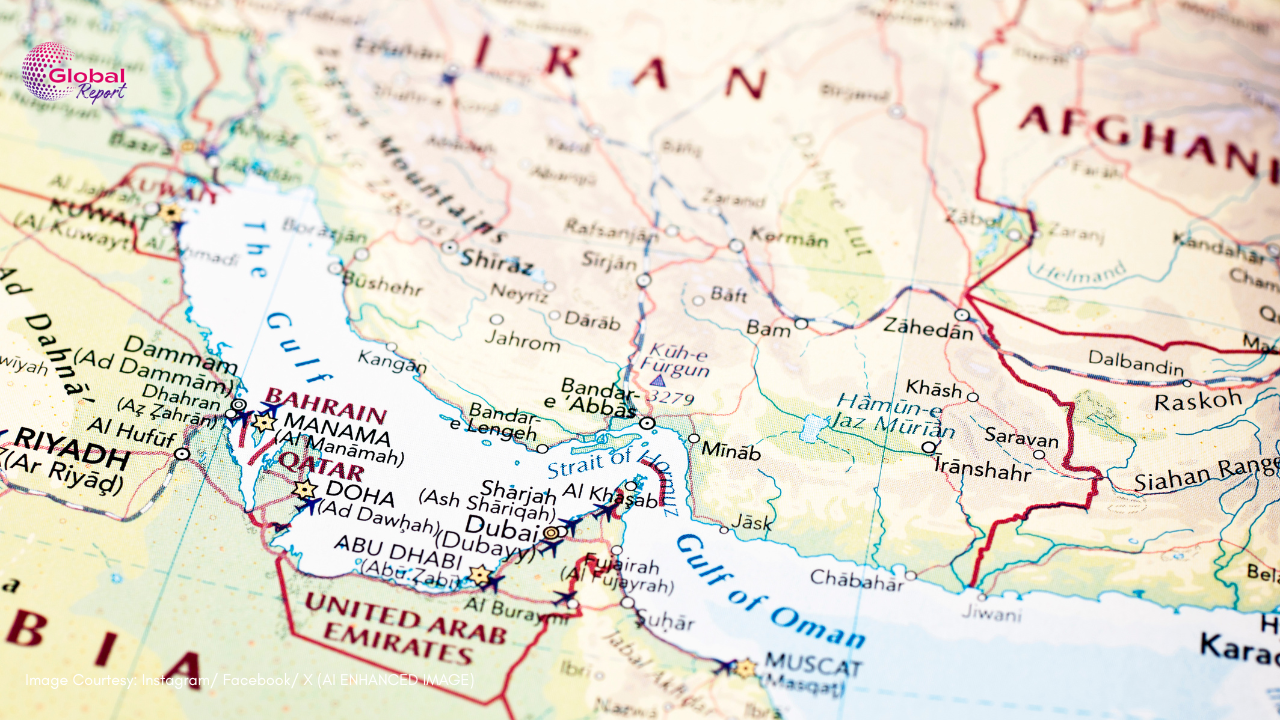
The Strait of Hormuz is not just a geographic landmark — it is the single most important oil chokepoint on the planet. Roughly 20% of the world’s oil and liquefied natural gas passes through this narrow waterway off Iran’s southern coast every day.
Any disruption to shipping through the strait sends immediate shockwaves through global energy markets. The war between U.S.-backed forces and Iran has already driven energy prices sharply higher worldwide, threatening fuel supplies in Europe, Asia, and beyond.
European airports warned last week that a systemic jet fuel shortage could hit within three weeks if the strait remains closed to commercial shipping. Airline operators and logistics companies have been scrambling to secure alternate supply chains.
For oil-importing nations, a prolonged Strait of Hormuz blockade could mean fuel rationing, price spikes, and broader economic disruption. The stakes extend well beyond the Middle East.
Iran’s Response to the Collapse
Iran’s chief negotiator at the Islamabad talks, Parliament Speaker Mohammad Bagher Qalibaf, offered a measured but firm response following the breakdown.
Qalibaf stated that the Iranian delegation entered the talks in good faith and argued that the U.S. side failed to earn the trust of the Iranian delegation during this round of negotiations. He stopped short of closing the door entirely on future dialogue.
“America has understood our logic and principles,” Qalibaf wrote on X, “and now it’s time for it to decide whether it can earn our trust or not.”
Tehran has long maintained that its nuclear program serves civilian energy purposes, not weapons development. Iran was a signatory to the landmark 2015 nuclear deal — formally known as the Joint Comprehensive Plan of Action — which capped its uranium enrichment in exchange for international sanctions relief.
That agreement unraveled when Donald Trump, during his first term in office, withdrew the United States from the deal in 2018. Relations between Washington and Tehran have remained fractured ever since.
The Nuclear Sticking Point
The central issue that derailed the Islamabad talks was one that has defined U.S.-Iran diplomacy for decades: nuclear weapons capability.
Donald Trump has made clear that any agreement with Iran must include a firm, verifiable commitment to abandon nuclear weapons development entirely. That includes giving up the advanced enrichment technology that could enable Iran to build a weapon rapidly.
“There is only one thing that matters — Iran is unwilling to give up its nuclear ambitions,” Trump stated following the talks.
JD Vance reinforced that position, stating the U.S. requires an “affirmative commitment” from Tehran — not just on weapons, but on any tools that could enable rapid weaponization.
Iran, for its part, refuses to accept what it views as a complete dismantling of its sovereign nuclear program. That gap between the two sides has proven impossible to bridge so far.
The collapse also reflects the broader challenge of reaching a durable agreement with Iran when internal political dynamics in both countries make compromise politically costly. In Tehran, hardliners oppose any deal that constrains nuclear development. In Washington, the Trump administration has consistently demanded a more comprehensive rollback than Iran is willing to accept.
What Comes Next
The announcement of a naval blockade of the Strait of Hormuz by Donald Trump represents one of the most consequential escalatory steps the U.S. has taken in the region in years.
Markets are expected to react sharply when trading resumes, with oil prices likely to spike further. Nations that depend on Gulf energy exports — including Japan, South Korea, India, and several European countries — face immediate supply chain pressure.
The blockade also raises the risk of direct military confrontation between U.S. and Iranian naval forces. Tehran has previously threatened to close the strait itself and has conducted provocative maneuvers against commercial shipping in the region.
Whether Iran returns to the negotiating table — or escalates further — will depend in large part on how its leadership reads Washington’s resolve. For now, Donald Trump has made one thing unmistakably clear: there will be no deal without a verifiable end to Iran’s nuclear ambitions.
The coming days will test the limits of diplomacy, military deterrence, and global energy resilience all at once.