
 By
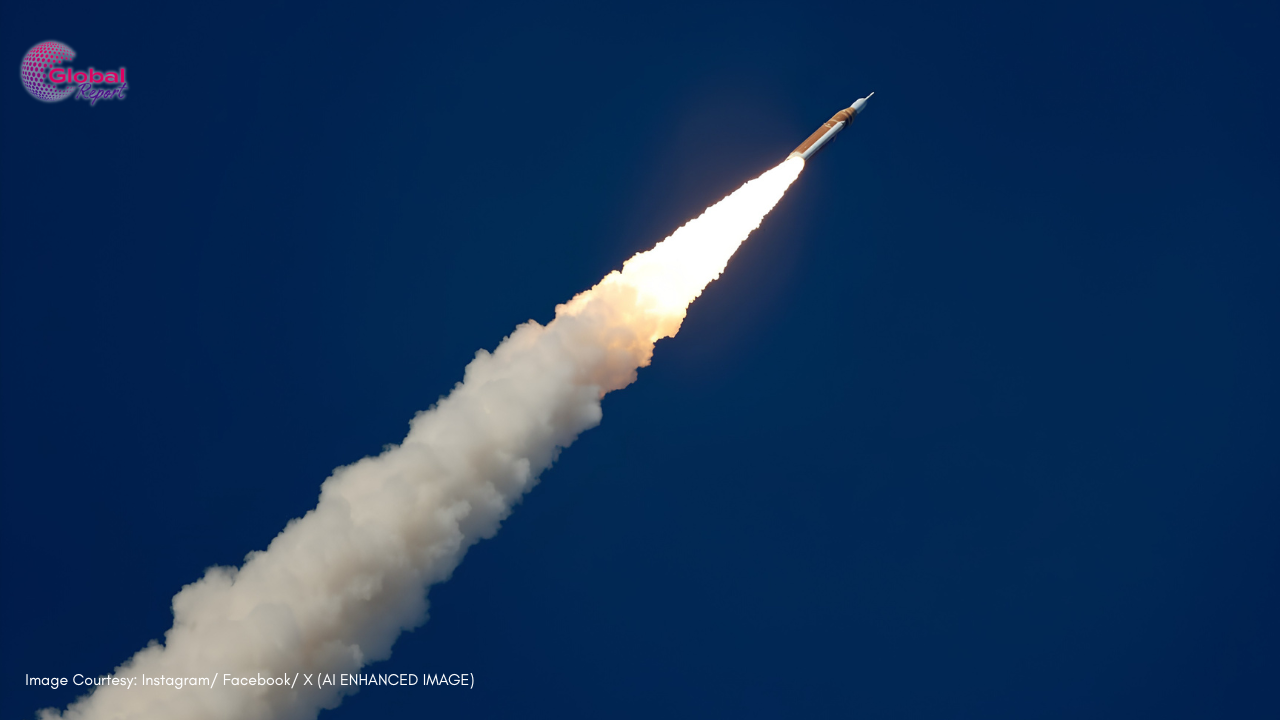
By NASA’s Artemis II mission lifted off on Wednesday, April 1, 2026, marking the first time humans have journeyed toward the moon in more than 50 years. The launch from Kennedy Space Center in Cape Canaveral, Florida, came after weeks of delays — but the four-person crew is now in space, bound for a 10-day lunar flyby that will reshape America’s deep space ambitions.
The Artemis II mission is the first crewed flight of NASA’s Artemis program, which aims to return humans to the lunar surface and eventually establish a permanent presence there. The goal is to develop a settlement near the moon’s south pole, a region believed to hold abundant water ice that could be used for drinking, breathing, and producing rocket fuel.
The Artemis II mission not only represents a significant leap in space exploration but also serves as a vital step toward humanity’s long-term goals of returning to the moon. This mission will pave the way for a sustainable presence on the lunar surface through the Artemis II journey.
The four astronauts will not land on the moon during this mission. Instead, they will travel approximately 600,000 miles around the moon before returning to Earth at 30 times the speed of sound. The primary objective is to test the life support systems aboard the Orion capsule under real deep-space conditions.
In this way, the Artemis II flight will gather essential data that will be critical as NASA contemplates future missions, including Artemis III that will attempt lunar landings.
The Artemis program also serves as the foundation for future crewed missions to Mars, building on the legacy of the Apollo-era flights from the late 1960s and early 1970s. The program takes its name from Artemis, the ancient Greek goddess of the moon and twin sister of Apollo.
The two-hour launch window opened at 6:24 p.m. ET on Wednesday, with additional launch opportunities available through Monday, April 6. Weather conditions cooperated — an initial forecast showing an 80% chance of favorable conditions improved to 90% by launch time , with the primary concerns being cloud coverage and high winds.
The path to launch was not without obstacles. Last month, NASA was forced to roll its massive Space Launch System rocket — weighing 11 million pounds — back to its hangar after engineers discovered an issue affecting proper fuel flow into the rocket’s engines. The problem surfaced less than 24 hours after a successful wet dress rehearsal.
The SLS rocket was rolled back out to the launchpad on March 20, a 4-mile journey that took approximately 12 hours. A minor battery issue was also detected on launch day but was quickly resolved and did not affect the countdown.
Launch director Charlie Blackwell-Thompson expressed confidence ahead of liftoff: “All of our planned work is complete. All indications are, right now, we’re in excellent, excellent shape.”
The Artemis II crew consists of NASA astronauts Reid Wiseman, Victor Glover, and Christina Koch, along with Canadian Space Agency astronaut Jeremy Hansen. The mission carries significant historical milestones beyond the flight itself.
Koch will become the first woman to travel to lunar space, while Glover will be the first person of color to make the journey. Both achievements mark a new chapter in human spaceflight, reflecting NASA’s broader commitment to a more inclusive astronaut corps.
The crew arrived at Kennedy Space Center ahead of the launch and entered protective quarantine, following a controlled sleep schedule and nutrition plan to maintain energy and hydration. They also received regular updates on weather conditions and rocket configuration.
Commander Wiseman summed up the moment simply upon arrival: “Hey, let’s go to the moon! I think the nation and the world has been waiting a long time to do this again.”
As a precursor to these missions, the Artemis II initiative will test systems that are fundamental for future exploration and habitation.
The Artemis II mission is one step in a multi-phase plan. During the 10-day trip, the crew will conduct experiments as both scientists and test subjects, gathering data on how long-duration deep space travel affects the human body. That data will directly inform the design and planning of future missions.
Artemis III — the mission planned to actually land astronauts on the lunar surface — is currently targeted for launch sometime in 2027. If successful, it will mark the first human moon landing since Apollo 17 in December 1972.
NASA describes the significance of this mission clearly: “The information we learn from the Artemis II test flight will inform future missions and help NASA pave the way for the next era of exploration on the moon and Mars.”
The insights gained from the Artemis II mission will not only enhance our understanding of deep space travel but will also inform the critical stages of the Artemis III program, setting the stage for human landings.
The Artemis II mission is not just a technical milestone — it is the opening act of humanity’s next chapter in deep space exploration. With the Orion capsule now crewed for the first time and the Space Launch System proving its readiness, NASA is closer than ever to returning boots to the lunar surface.
Thus, the Artemis II mission is not merely a test flight; it is an integral part of NASA’s vision for the future of lunar exploration and establishes a framework for the Artemis III mission.
Follow NASA’s official channels for live mission updates as the Artemis II crew continues their historic journey around the moon.
Hashtags: #ArtemisII #NASA #MoonMission #SpaceExploration #Artemis