 By
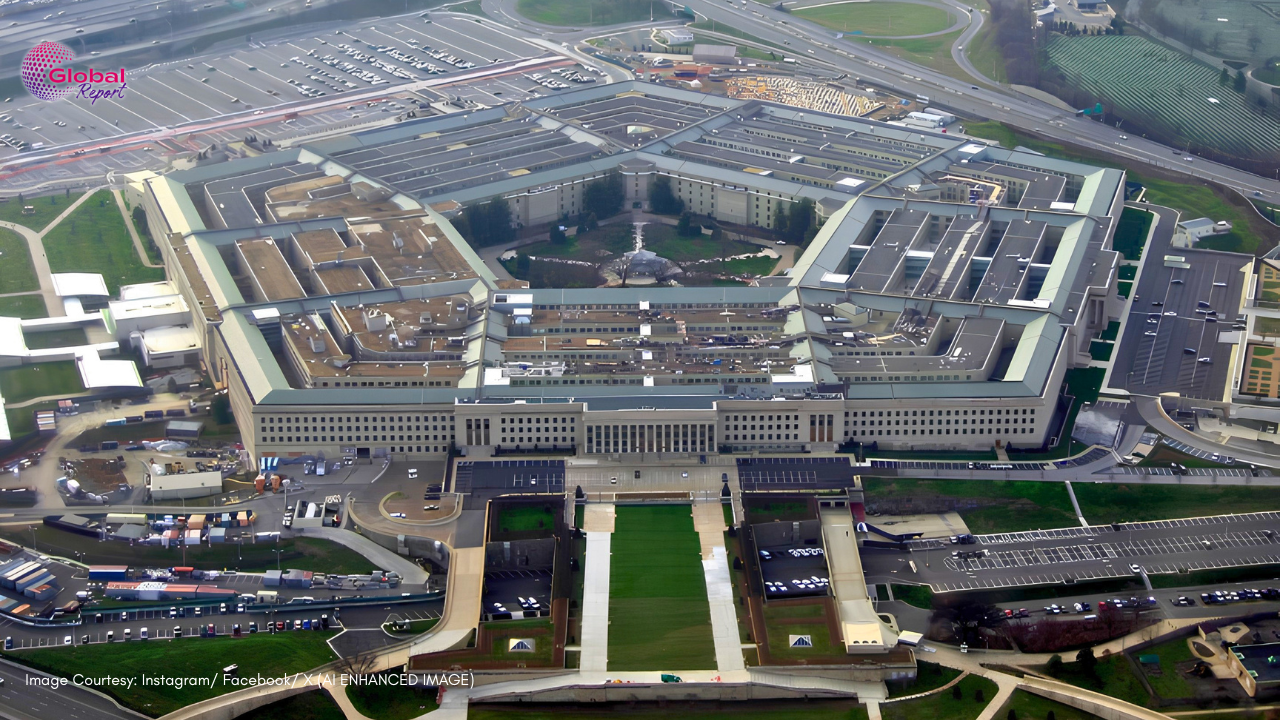
By The Pentagon is internally weighing a set of drastic punitive measures against Spain and other NATO allies, including the unprecedented option of suspending Spain from the alliance. The proposals, detailed in an internal email reviewed at senior levels of the Pentagon, mark one of the sharpest ruptures in US-European relations since the alliance was founded 76 years ago.
The email’s emergence comes as Washington grows increasingly frustrated with European allies it accuses of failing to support American military operations during the ongoing war with Iran.
What the Pentagon Email Actually Proposes
An internal Pentagon email is circulating at senior levels with five policy options designed to punish NATO allies that refused to grant the United States access, basing, and overflight rights — known as ABO — for operations during the Iran war.
The email is framed around a single objective: reducing what it calls the “sense of entitlement on the part of the Europeans,” according to a US official who spoke to Reuters on condition of anonymity.
The five key options reportedly outlined in the document include: suspending Spain from key NATO positions, reviewing US diplomatic support for European territorial claims like the Falkland Islands, and sending a broad message to reluctant allies that the alliance is no longer a one-way arrangement.
The email explicitly states that granting ABO rights is “just the absolute baseline for NATO” — language that signals Washington views European hesitancy not as a policy disagreement, but as a fundamental failure of alliance obligations.
Why Spain Is in Washington’s Crosshairs
Spain has emerged as the primary target in the Pentagon’s frustration. The country has refused to hike defence spending to 5% of GDP — a benchmark the Trump administration has been pushing hard across all NATO members.
Spanish Prime Minister Pedro Sanchez has maintained that Spain can meet its obligations with a lower spending level. That stance has irritated Washington, which views it as European complacency funded by American security guarantees.
The US also operates two strategically significant military installations in Spain: Naval Station Rota and Morón Air Base. The Pentagon email does not propose closing either base, according to the official, but their presence underscores how high the stakes are in this bilateral standoff.
Spain also refused to support the US naval mission to reopen the Strait of Hormuz, which was blocked to global shipping following the start of the US-Israeli air war against Iran on February 28. That refusal appears to have been the final trigger for the harsh internal policy review.
Can the US Actually Suspend Spain from NATO?
Legally, the answer appears to be no. A NATO official directly told Reuters that “NATO’s Founding Treaty does not foresee any provision for suspension of NATO membership.”
The Pentagon email itself acknowledges that suspending Spain would have a limited effect on actual US military operations. However, it argues the measure would carry enormous symbolic weight — effectively signalling that Washington is willing to publicly humiliate an ally it deems uncooperative.
Prime Minister Sanchez responded to the reports during a meeting of European Union leaders in Cyprus, dismissing the email as irrelevant to official policy. “We do not work off emails. We work off official documents and government positions,” Sanchez said, calling Spain a “loyal partner” to NATO.
Despite the legal barriers, analysts warn that even the public circulation of such proposals damages the alliance deeply. The threat alone — regardless of enforceability — erodes the trust that underpins collective defence commitments.
The Falkland Islands Card
One of the more provocative options floated in the Pentagon email involves reviewing US diplomatic support for what the document calls longstanding European “imperial possessions” — with the Falkland Islands cited as a specific example.
The Falklands, located near Argentina, are administered by the United Kingdom but still claimed by Buenos Aires. The US State Department currently recognises the islands as under British administration.
Argentina and Britain fought a brief but bloody war over the islands in 1982. Over 900 military personnel died before Argentina surrendered. Revisiting that diplomatic position would be a direct shot across the bow for British Prime Minister Keir Starmer, whom President Trump has repeatedly criticised for his refusal to join US military operations against Iran.
Trump has called Starmer “cowardly” and compared him unfavourably to Winston Churchill. The Falklands option, if pursued, would represent one of the most aggressive diplomatic manoeuvres the US has made against a formal ally in modern history.
What Hegseth and Trump Have Said
Pentagon Press Secretary Kingsley Wilson confirmed the broad thrust of the email without denying its contents. “Despite everything that the United States has done for our NATO allies, they were not there for us,” Wilson said in a statement to Reuters.
Wilson added that the Pentagon “will ensure that the President has credible options to ensure that our allies are no longer a paper tiger.”
Defence Secretary Pete Hegseth has been equally blunt. Speaking at the Pentagon earlier this month, Hegseth said the Iran war had laid bare a stark reality: Iran’s longer-range missiles cannot reach the United States, but they can reach Europe. His implication was clear — Europe benefits disproportionately from American military muscle.
“You don’t have much of an alliance if you have countries that are not willing to stand with you when you need them,” Hegseth said.
President Trump has gone even further, publicly raising the possibility of withdrawing from NATO entirely. Asked whether a US exit from the alliance was on the table, Trump told Reuters on April 1: “Wouldn’t you if you were me?”
The White House has not walked back those remarks.
What Experts Are Warning
Defence analysts are raising serious alarms about the long-term consequences of the Pentagon’s posture, even if no formal action is taken.
Sven Biscop, professor in European defence policy at Belgium’s Egmont Institute and Ghent University, told Reuters that a public threat to suspend Spain from NATO’s defensive arrangements would be “gravely damaging” to the alliance and would further erode European confidence in the United States as a security partner.
“Already, most European leaders are no longer confident the US would support them in every crisis,” Biscop said. “What Trump is doing makes no sense for America’s interests.”
Britain, France, and other European powers have maintained that joining the US naval blockade of Iran would constitute entering the war — a step they are unwilling to take. They have expressed willingness to assist once a ceasefire is in place, but Washington has rejected that timeline as insufficient.
The rift has forced European governments to quietly accelerate discussions about independent defence capabilities — a development that could, paradoxically, undermine the very alliance cohesion the US claims to want.
What Happens Next
The Pentagon email is not a formal policy document. It represents internal deliberation — but at senior levels, according to the US official who described it. That alone makes it significant.
NATO’s next major summit is approaching, and Spain’s refusal to commit to 5% defence spending is already threatening to derail it. The US is expected to use that forum as a pressure point, pushing for concrete spending commitments from all members.
Whether Washington pursues formal punitive steps against Spain or other allies remains unclear. But the circulation of these options — and their leak to the press — appears to be part of a deliberate signalling strategy.
The Pentagon is telling European capitals: the era of guaranteed American protection without reciprocal commitment is over.
For Spain, the UK, and the rest of NATO’s European members, the question is no longer whether the alliance is under strain. It is whether it can survive it.
Follow Global Report Online for continuing coverage of the NATO crisis and the US-Iran war.