 By
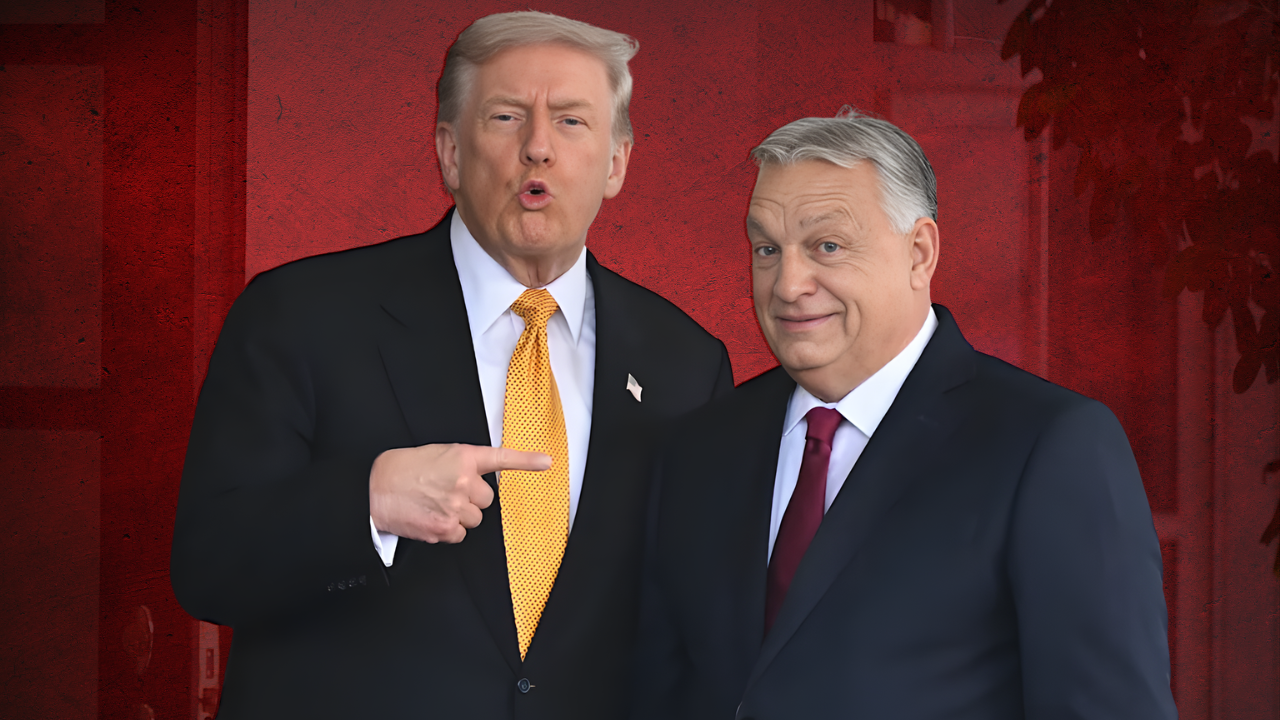
By Hungarian Prime Minister Viktor Orbán — the European leader most closely aligned with Donald Trump — lost his reelection bid over the weekend. The defeat sent immediate shockwaves across Washington, raising uncomfortable questions for the Trump administration and US conservatives who had invested heavily in Orbán’s political survival.
The results carry far more weight than a typical foreign election. Orbán had become a living blueprint for the American right’s vision of governance.
Why Donald Trump Had So Much Riding on the Hungary Vote
Donald Trump openly backed Orbán’s reelection campaign — a rare and deliberate move for a sitting US president to intervene in a foreign democratic election.
Trump and Orbán had cultivated a close alliance built on shared politics: anti-immigration policies, skepticism of globalist institutions, a confrontational approach to media, and a governing style critics describe as authoritarian. Orbán’s Hungary was frequently held up by US conservatives as a model for what America could look like.
When Orbán lost, Trump did not make any public statement on Sunday. The silence was telling.
JD Vance’s Budapest Gamble That Backfired
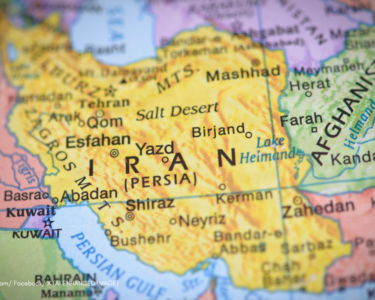
In the final stretch of Hungary’s campaign, Trump dispatched Vice President JD Vance to Budapest — an extraordinary diplomatic move, especially given that Vance traveled there during an active US conflict with Iran.
The visit was widely criticized, even by voices on the right. Republican Rep. Don Bacon of Nebraska posted bluntly: the US should not interfere in other democracies’ elections.
Diana Sosoaca, a far-right member of the European Parliament from Romania, called the Vance visit a major strategic error. She argued that sending a senior US official — one representing an administration that had triggered widespread unrest through the Iran war — only deepened voter resistance to Orbán in a continent already rattled by energy market disruptions.
How Orbán Held Power for 16 Years
Orbán first came to power in 1998 as an anti-communist activist-turned-politician. After losing in 2002, he returned to office in 2010 with a sweeping parliamentary majority — and immediately used it to restructure Hungary’s political system in Fidesz’s favor.
His government rewrote the constitution, restructured the judiciary to route appointments through party loyalists, redrew legislative districts to entrench Fidesz dominance, and helped consolidate Hungary’s media landscape under oligarchs aligned with the ruling party.
Orbán branded his governing philosophy “illiberal democracy” — building border barriers to block migration, restricting LGBTQ+ rights, and cracking down on press freedom. The European Union formally declared Hungary an “electoral autocracy.”
Despite the tilted playing field, opposition challenger Péter Magyar defeated Orbán in an election that observers called historically significant. Harvard politics professor Steven Levitsky, co-author of How Democracies Die, noted that “oppositions can win despite a tilted playing field.”
What Orbán’s Fall Means for US Conservatives and CPAC
For years, Hungarian Prime Minister Orbán had been a star attraction in American conservative circles. He was a featured speaker at the Conservative Political Action Conference (CPAC) in Dallas in 2022. CPAC, chaired by Matt Schlapp, held its first-ever European event in Budapest — a direct endorsement of Orbán’s brand of politics.
Schlapp offered a pragmatic take on the loss, arguing that voters in democracies simply want change after too many years of any one leader, regardless of ideology. He pointed to the Iran war’s disruption of European energy markets as a key factor that undermined Orbán’s standing.
The loss strips conservatives of one of their most prominent international models. For a movement that had used Hungary as proof of concept for nationalist governance, the defeat is a significant symbolic blow.
Democrats See a Warning Signal for Trump
Several Democratic politicians moved quickly to draw direct parallels between Orbán’s fall and Donald Trump’s political future.
Democratic Rep. Ro Khanna of California challenged Vice President Vance directly on social media, asking whether Vance would concede gracefully if he lost in 2028 — just as Orbán did.
Sen. Chris Van Hollen of Maryland went further, arguing that Orbán’s defeat was a direct warning for Trump. “He was essentially doing what Donald Trump is trying to do here in the United States,” Van Hollen said. “My read of the election is that the people of Hungary rejected that.”
Ian Bassin of Protect Democracy framed the message simply: “Even a guy who rigs the system can be defeated when the people unite and turn out.”
Levitsky, however, cautioned Democrats against overreading the result. He argued Trump has in some ways been more aggressive than Orbán, citing the use of the Justice Department against political opponents and the reported shooting deaths of protesters by immigration officers — actions Orbán’s government never took.
The Bigger Geopolitical Picture
Orbán’s defeat carries immediate consequences beyond US domestic politics. As the European leader most closely aligned with Russian President Vladimir Putin, Orbán had been the primary obstacle to European Union unity on Ukraine. His government had repeatedly blocked EU aid packages to Ukraine following Russia’s 2022 invasion.
With Orbán out, Ukraine stands to benefit from a more unified European response. The shift also removes a key friction point in NATO and EU deliberations at a moment when the Iran war has already strained transatlantic relationships.
Republican senators who had previously been sympathetic to the Trump-Orbán alliance celebrated the outcome. Sen. Roger Wicker of Mississippi posted that “the freedom-loving people of Hungary have voted decisively in favor of democracy and the rule of law.”
What Happens Next
For Donald Trump, the loss in Hungary is a data point, not a decisive setback. But it is a reminder that even well-entrenched political systems can be dismantled at the ballot box when economic pain and public frustration reach a breaking point.
Schlapp’s assessment was perhaps the most honest from any Trump ally: “Eventually, democracies just want change.”
How much that lesson applies to American midterms in 2026 and the 2028 presidential race will depend on factors far beyond Hungary. But the fall of Orbán has given both sides of the US political debate a fresh set of arguments — and a new reference point in the ongoing debate over democracy, power, and accountability.
Follow the latest developments in US and global politics at Global Report Online.