
 By
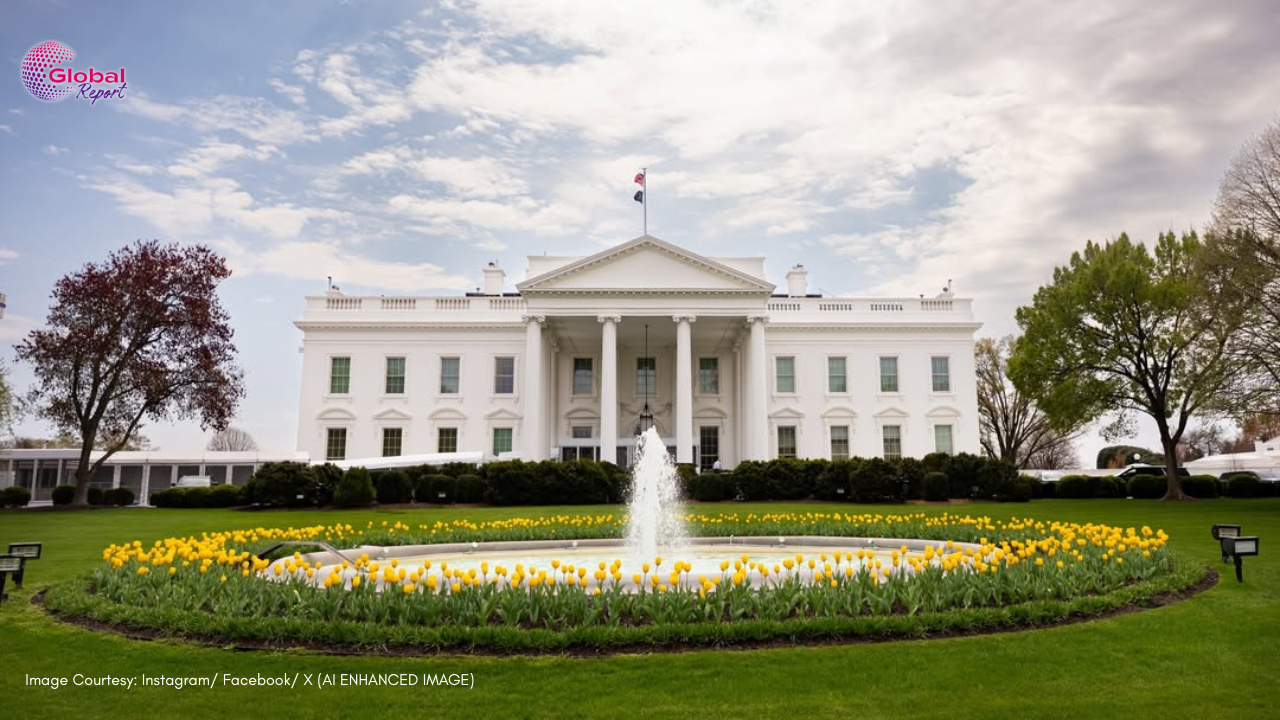
By The White House sent an internal staff-wide email warning employees against using confidential government information to place financial trades — including on fast-growing online prediction markets. The directive came amid a wave of suspiciously timed bets linked to President Donald Trump’s military decisions regarding Iran and Venezuela.
What the White House Email Said
The White House Management Office sent the internal email on March 24, according to a White House official who spoke on condition of anonymity.
The message reminded all staff that federal employees are prohibited from using nonpublic government information for personal financial gain. It specifically flagged prediction markets — a rapidly expanding sector where users bet on the outcomes of geopolitical and financial events.
White House spokesman Davis Ingle confirmed the directive’s intent in a public statement: “President Trump has been crystal clear: while he seeks a strong and profitable stock market for everyone, members of Congress and other government officials should be prohibited from using nonpublic information for financial benefit.”
The email was first reported by The Wall Street Journal.
The Iran War Bets That Triggered Scrutiny
The White House warning did not emerge in a vacuum. It followed a series of unusually well-timed trades that coincided precisely with Trump’s public announcements about military posture toward Iran.
On March 23, Trump posted to Truth Social at approximately 7:05 a.m. Eastern Time. In the post, he cited productive conversations with Tehran and announced a five-day pause on threats to attack Iranian power plants. Within minutes, crude oil prices fell sharply and equities surged.
What raised red flags: significant futures positions had already been moved before that post went live.
Suspicious Futures Trading Before Trump’s Post
Exchange data compiled by Bloomberg revealed a striking pattern. In just two minutes — from 6:49 a.m. on March 23 — contracts corresponding to at least 6 million barrels of Brent and West Texas Intermediate crude were sold.
That figure represents a dramatic spike. The average volume for the same two-minute window over the previous five trading days was approximately 700 lots, or 700,000 barrels.
In other words, trading volume in that narrow window was roughly eight to nine times higher than normal — and it occurred fifteen minutes before Trump’s public announcement that moved the market. Investigators and market analysts have taken note.
Polymarket and the Prediction Market Problem
The suspicious activity wasn’t limited to traditional futures markets. Online prediction platform Polymarket also came under scrutiny.
A series of well-timed Iran-related wagers — placed by freshly created anonymous accounts — generated hundreds of thousands of dollars in profits. Analysts began examining those trades for hallmarks of insider activity: timing, account age, bet size, and proximity to government announcements.
Some payouts tied to Middle East-related contracts are now frozen. A dispute has erupted among platform users over what legally constitutes a ceasefire, leaving some traders unable to collect their winnings.
The situation has placed prediction markets in an uncomfortable spotlight. The industry has expanded dramatically in popularity, but critics argue it lacks sufficient safeguards against the use of nonpublic information.
Venezuela and a Broader Pattern
Iran wasn’t the only flashpoint. Profitable bets placed just before the U.S. capture of Venezuelan leader Nicolas Maduro earlier in 2026 also prompted questions about potential insider trading.
The pattern — significant financial positions established just before sensitive government actions become public — has now recurred across multiple geopolitical events. That consistency is what elevated the concern from isolated incident to systemic issue, ultimately prompting the White House to issue its formal internal warning.
No evidence has emerged that White House staff directly profited from these trades. The administration has been firm on that point.
What Federal Ethics Law Actually Says
Under existing federal law, government employees face clear restrictions. Federal employees are banned from gambling while on government property. Ethics rules explicitly prohibit the use of nonpublic government information for personal financial benefit — whether through stocks, futures contracts, or prediction market platforms.
The White House’s internal email served as a reminder that those rules apply to prediction markets as much as they do to conventional securities trading. That is a notable clarification: prediction markets occupy a legal gray area, and not all employees may have understood their obligations in that context.
Ingle addressed the broader insinuations directly: “All federal employees are subject to government ethics guidelines that prohibit the use of nonpublic information for financial benefit. However, any implication that Administration officials are engaged in such activity without evidence is baseless and irresponsible reporting.”
Why This Matters for Markets
The White House insider trading warning carries implications that extend well beyond the beltway. Markets operate on the assumption that participants have access to the same publicly available information at the same time. When trades consistently precede major government announcements, it undermines that foundation.
For retail investors, the concern is tangible. If sophisticated actors — with or without inside access — are systematically front-running government decisions, ordinary market participants bear the cost. Prices move before the news hits, and late movers absorb the loss.
The Iran futures episode is a case study in how geopolitical risk and information asymmetry collide. A single social media post moved billions of dollars in oil and equities. The question of who knew what, and when, is no longer a theoretical concern.
Whether the current scrutiny leads to formal investigations, new regulations on prediction markets, or stronger enforcement of existing ethics rules remains to be seen. What is clear is that the White House itself recognized the threat as serious enough to put it in writing.
Stay informed on the latest financial policy developments — bookmark this page and follow our coverage for real-time updates on government market activity.
Hashtags: #WhiteHouse #InsiderTrading #PredictionMarkets #Polymarket #FinanceNews


